

Many coastal homeowners watch their exterior paint fade and peel faster than expected, even after investing in quality products. The culprit isn't always poor paint choice. Salt deposits and airborne contaminants settle on painted surfaces daily, creating a corrosive environment that accelerates deterioration. Understanding how regular cleaning removes these harmful agents reveals a simple yet powerful maintenance strategy that can extend paint lifespan by up to 30% in coastal New South Wales. This guide explains the science behind paint degradation and shows you practical cleaning methods to protect your investment.
Table of Contents
- How Salt And Contaminants Damage Exterior Paint
- Best Cleaning Practices For Coastal NSW Properties
- Comparing Cleaning Methods: DIY Vs. Professional Services
- Maintaining Paint After Cleaning: Ongoing Care Tips And Scheduling
- Explore Professional Painting And Cleaning Services In Coastal NSW
- Frequently Asked Questions
Key takeaways
| Point | Details |
|---|---|
| Salt accelerates damage | Salt deposits penetrate paint films, trapping moisture that causes blistering and cracking in coastal environments. |
| Cleaning extends lifespan | Regular removal of corrosive contaminants can prolong exterior paint life by up to 30% on coastal properties. |
| Frequency matters | Coastal NSW homes require cleaning every 3 to 6 months, more often than inland properties. |
| Gentle methods work best | Use mild detergents with soft brushes or low pressure washing to avoid damaging paint surfaces. |
| Professional help optimizes results | Expert cleaning services identify early damage and use specialized techniques for thorough contaminant removal. |
How salt and contaminants damage exterior paint
Salt crystals floating in coastal air settle on painted surfaces and begin a destructive cycle. These deposits draw moisture from the air, creating a damp environment between the paint film and substrate. As moisture accumulates, it penetrates microscopic gaps in the coating, reaching the underlying material. This trapped water expands and contracts with temperature changes, putting stress on the paint bond.
The chemical composition of salt compounds the problem. Sodium chloride acts as a hygroscopic agent, continuously pulling moisture into the paint layer even during dry periods. This constant dampness prevents proper drying, keeping surfaces in a perpetually vulnerable state. Over time, the paint film loses adhesion, forming bubbles and blisters that eventually crack and expose bare substrate to further damage.
Airborne pollutants and dirt particles add another layer of harm. These contaminants mix with salt residue, creating an abrasive coating that degrades paint surfaces through mechanical wear. When combined with UV radiation, this mixture accelerates chalking and color fade. The paint's protective properties diminish faster than manufacturers anticipate under normal conditions.
Contaminants that accelerate paint failure:
- Salt crystals from ocean spray and wind
- Industrial pollutants and vehicle emissions
- Organic matter like algae and mildew
- Dust and sand particles carried by coastal winds
- Bird droppings and insect residue
Removing these agents through regular cleaning disrupts the corrosive cycle before permanent damage occurs. When you wash away salt deposits, you eliminate the moisture trap that weakens paint adhesion. The paint film can breathe properly again, maintaining its protective barrier. Research shows this simple intervention extends coating life significantly, with some studies documenting improvements of 30% or more in high exposure areas.
"Salt and moisture work together to undermine even the highest quality paint systems. Regular washing breaks this destructive partnership, giving your paint a fighting chance against coastal conditions." – Coastal Paint Maintenance Specialist
Proper surface preparation before painting makes future cleaning more effective. When contractors prepare surfaces thoroughly, they create a smooth foundation that sheds contaminants more easily. This initial investment pays dividends throughout the paint's service life, making routine maintenance simpler and more effective.
Best cleaning practices for coastal NSW properties
Cleaning frequency determines how well you protect your paint investment. For coastal NSW properties, washing every 3 to 6 months prevents salt buildup from reaching damaging levels. Properties within 500 meters of the ocean need attention every three months, while homes further inland can extend to six month intervals. This schedule keeps contaminant accumulation below the threshold where irreversible damage begins.
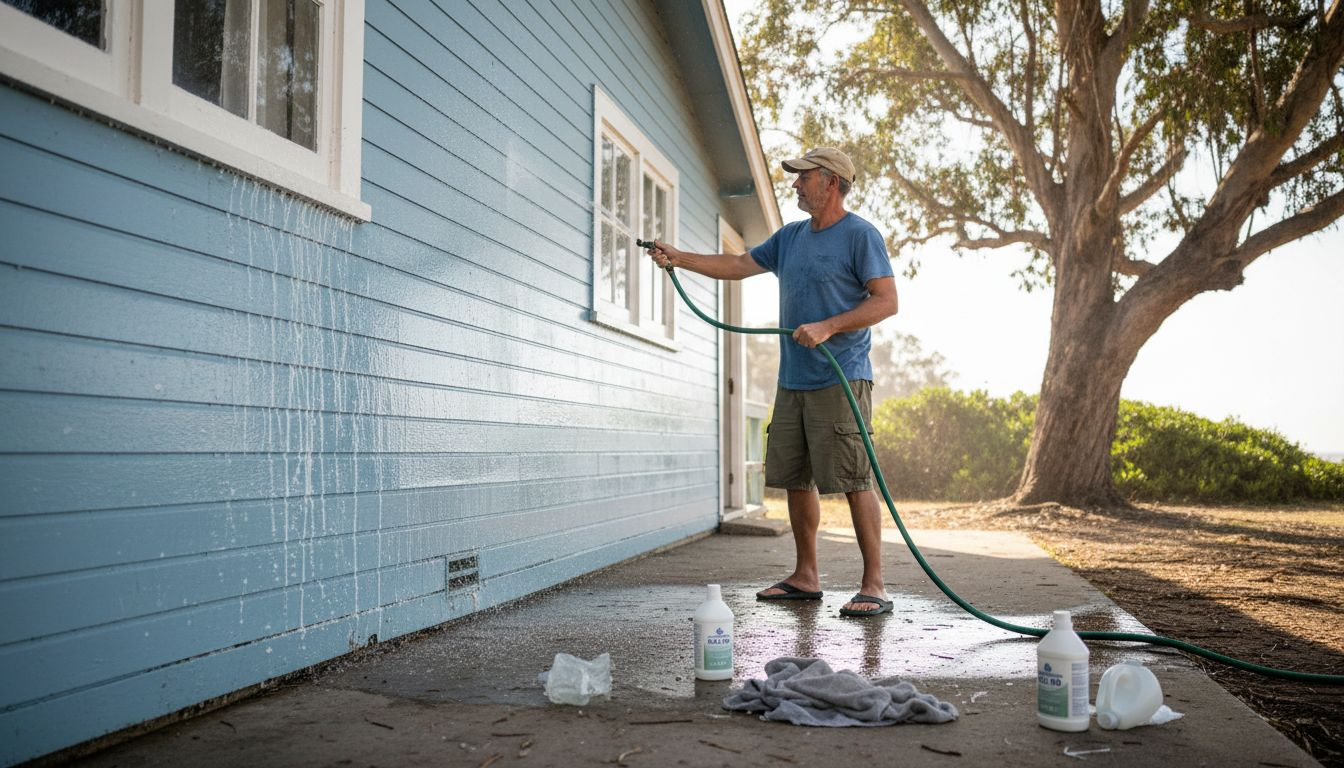
Choosing the right cleaning solution makes the difference between effective maintenance and paint damage. Mild detergents mixed with water dissolve salt deposits without stripping protective coatings. Avoid harsh chemicals like bleach concentrates, ammonia solutions, or industrial degreasers that can break down paint binders. A simple mixture of dish soap and water works remarkably well for most situations, lifting contaminants gently while preserving the paint film.
Application technique protects your paint while removing harmful deposits. Soft bristle brushes or low pressure water spray systems prevent mechanical damage to the coating. Start at the top of walls and work downward, allowing gravity to help rinse away dissolved contaminants. For stubborn salt crusts, let the cleaning solution sit for five to ten minutes before gentle scrubbing. Never use abrasive pads or high pressure settings that can etch the paint surface or force water under the coating edge.
Effective coastal cleaning steps:
- Rinse surfaces with plain water to remove loose debris
- Apply mild detergent solution using soft brush or low pressure sprayer
- Allow solution to dwell for 5 to 10 minutes on stubborn deposits
- Gently scrub problem areas with soft bristle brush
- Rinse thoroughly from top to bottom until water runs clear
- Inspect for any damage or areas needing repair
Timing your cleaning sessions around weather patterns maximizes effectiveness. Schedule washing after extended dry periods when salt accumulation peaks, but before heavy rain that might drive contaminants deeper into surface imperfections. Early morning or late afternoon work prevents cleaning solutions from drying too quickly in direct sunlight, which can leave residue streaks.
Pro Tip: Keep a maintenance log noting cleaning dates and observations about paint condition. This record helps you identify patterns in degradation and adjust your schedule before problems escalate. Take photos during each session to document changes over time.
Some situations call for specialized equipment or expertise. Pressure washing before painting requires careful pressure calibration to clean effectively without damage. Similarly, removing rust stains from metal fixtures near painted surfaces needs specific techniques that prevent chemical damage to surrounding paint. Understanding when to tackle jobs yourself versus hiring professionals prevents costly mistakes.
Comparing cleaning methods: DIY vs. professional services
Homeowners face a choice between handling maintenance themselves or hiring experienced cleaners. Each approach offers distinct advantages depending on your situation, skills, and property characteristics. Understanding these differences helps you make cost effective decisions that protect your paint investment.
DIY cleaning provides immediate cost savings and schedule flexibility. You control the timing, products, and techniques used on your property. This hands on approach works well for single story homes with easy access to all painted surfaces. Basic equipment like garden hoses, soft brushes, and mild detergent costs minimal money upfront. You can spread the work across multiple sessions, tackling sections as time permits.
However, DIY efforts carry risks that might outweigh savings. Inexperienced cleaners often use excessive pressure or harsh chemicals that damage paint films. Reaching high areas safely requires proper ladders and fall protection equipment many homeowners lack. Identifying early signs of paint failure takes training most people don't possess. You might miss subtle indicators that professionals spot immediately, allowing minor issues to become expensive repairs.
Professional services bring specialized knowledge and equipment to every job. Trained technicians understand how different paint types respond to various cleaning methods. They calibrate pressure washers precisely, removing contaminants without harming coatings. Professional cleaning achieves more thorough salt removal than typical homeowner efforts, maximizing lifespan benefits. Experts also inspect while they work, catching problems before they escalate.
| Factor | DIY Cleaning | Professional Service |
|---|---|---|
| Cost | $50 to $150 in supplies | $300 to $800 per session |
| Effectiveness | Good for light maintenance | Superior contaminant removal |
| Safety | Requires proper equipment | Fully insured and equipped |
| Time Investment | 4 to 8 hours per session | 2 to 3 hours completed |
| Damage Risk | Higher without experience | Minimal with trained staff |
| Problem Detection | Limited to obvious issues | Identifies early damage signs |
The decision often hinges on property characteristics and exposure levels. Single story homes with minimal salt exposure suit DIY maintenance when owners follow proper techniques. Multi story properties, especially those within direct ocean spray range, benefit significantly from professional attention. The investment in expert service pays for itself through extended paint life and prevented damage.
Pro Tip: Start with professional cleaning to establish a baseline and learn proper techniques. Watch how technicians work, ask questions about products and methods, then decide if you can replicate their approach safely. Many homeowners find a hybrid model works best, handling routine maintenance themselves while scheduling professional deep cleans annually.
Local expertise matters significantly in coastal environments. Painters in Merewether, Maitland, and Lake Macquarie understand regional salt exposure patterns and adjust techniques accordingly. They know which products work best in NSW coastal conditions and can recommend maintenance schedules tailored to your specific location. This localized knowledge proves invaluable for maximizing paint longevity.
Maintaining paint after cleaning: ongoing care tips and scheduling
Cleaning removes immediate threats, but comprehensive maintenance requires integrated care that addresses multiple factors. Establishing a systematic approach ensures you catch problems early while maximizing your paint investment's return. This proactive strategy prevents small issues from becoming expensive failures.
Complete paint maintenance schedule:
- Inspect all painted surfaces immediately after each cleaning session, looking for cracks, blisters, or areas where paint has lifted from the substrate
- Document findings with dated photos and written notes about location and severity of any damage discovered
- Perform minor repairs within two weeks of detection, scraping loose paint, priming bare spots, and touching up with matching color
- Schedule next cleaning session based on seasonal salt exposure, typically 3 to 6 months from the previous wash
- Arrange professional inspection annually to evaluate overall coating condition and plan for eventual repainting
- Track maintenance costs and observations in a dedicated log to identify patterns and optimize future scheduling
Post cleaning inspection reveals damage that contaminants might have hidden. Walk the entire property in good lighting, examining corners, trim joints, and areas under eaves where moisture accumulates. Look for paint that feels soft or spongy when pressed, indicating moisture penetration beneath the surface. Check window and door frames carefully, as these transition points often fail first in coastal environments.
Addressing minor damage promptly prevents cascading failures. Small cracks allow moisture entry that spreads laterally under surrounding paint, expanding the affected area exponentially. A repair that takes thirty minutes today might require complete wall repainting if delayed six months. Keep touch up paint, primer, and basic tools readily available so you can act immediately when problems appear.
Regular cleaning combined with timely repairs creates a maintenance rhythm that becomes routine. Mark cleaning dates on your calendar as recurring appointments, treating them with the same priority as other home maintenance tasks. This consistency prevents the "out of sight, out of mind" trap where months slip by without attention until damage becomes obvious and expensive.
Coordinating cleaning with repainting cycles optimizes long term results. Most quality exterior paints last seven to twelve years in coastal NSW when properly maintained. Plan to increase cleaning frequency during the final two years of expected paint life, when coatings become more vulnerable. This extra attention squeezes maximum service from aging paint while you budget for eventual recoating. Understanding how many coats exterior paint requires helps you plan financially for this inevitable expense.
Seasonal considerations affect maintenance timing and intensity. Spring cleaning removes winter salt accumulation before summer humidity accelerates damage. Fall sessions prepare surfaces for cooler months when moisture lingers longer on walls. Adjust your schedule based on observed conditions rather than rigid calendar dates. If you notice heavy salt deposits forming faster than usual, add an extra cleaning session rather than waiting for the scheduled interval.
Maintenance documentation provides valuable insights over time. Your log reveals which areas degrade faster, suggesting either application problems during the last paint job or structural issues causing excessive moisture exposure. This information guides future surface preparation decisions and helps contractors address underlying problems rather than just recoating failing surfaces. Patterns in your notes might reveal that certain walls need repainting more frequently, justifying focused attention and potentially different product selection for those areas.
Explore professional painting and cleaning services in coastal NSW
Maintaining coastal paint requires specialized knowledge and consistent effort that many homeowners find challenging to sustain. Professional services remove the guesswork while delivering superior results that maximize your investment. Expert technicians understand how salt exposure varies across different NSW coastal microclimates and adjust their approach accordingly.

Local painting professionals offer comprehensive solutions beyond basic cleaning. They combine exterior washing with detailed inspection, identifying early damage signs that untrained eyes miss. Their specialized equipment removes contaminants more thoroughly than consumer grade tools, achieving the deep clean that delivers maximum lifespan extension. Many services include minor repair work, addressing small problems before they require expensive remediation. When eventual repainting becomes necessary, established relationships with trusted contractors ensure quality work tailored to your property's specific challenges. Experienced painters in Maitland, Merewether, and surrounding areas bring years of coastal expertise to every project. Explore professional painting and cleaning services that protect your home's exterior beauty and structural integrity for years to come.
Frequently asked questions
How often should I clean my coastal home's exterior paint?
Coastal NSW properties require cleaning every 3 to 6 months depending on ocean proximity. Homes within 500 meters of the beach need quarterly attention, while properties further inland can extend to six month intervals. Adjust frequency based on visible salt accumulation and local weather patterns.
What cleaning products damage exterior paint?
Avoid harsh chemicals like concentrated bleach, ammonia solutions, and industrial degreasers that break down paint binders. Abrasive cleaners and stiff brushes scratch coating surfaces, creating entry points for moisture. Stick with mild dish soap mixed with water for safe, effective cleaning.
Can I use a pressure washer on painted surfaces?
Low pressure washing works safely when calibrated correctly, typically below 1500 PSI for most exterior paints. High pressure settings force water under coating edges and can strip paint from surfaces. Professional pressure washing services understand proper techniques and equipment settings for different coating types.
What signs indicate my paint needs repainting despite regular cleaning?
Watch for widespread chalking where paint rubs off on your hand, extensive cracking or alligatoring patterns, and areas where coating has completely failed exposing bare substrate. When cleaning no longer restores appearance or more than 30% of surfaces show damage, full repainting becomes more cost effective than continued repairs. Professional surface preparation ensures new coatings bond properly and last their full expected lifespan.
Does cleaning really extend paint life by 30%?
Research documents that regular cleaning can prolong paint life by up to 30% in coastal environments by removing corrosive salt deposits before they cause permanent damage. Results vary based on initial paint quality, application technique, and exposure severity, but consistent maintenance delivers measurable lifespan improvements across all coating types.