
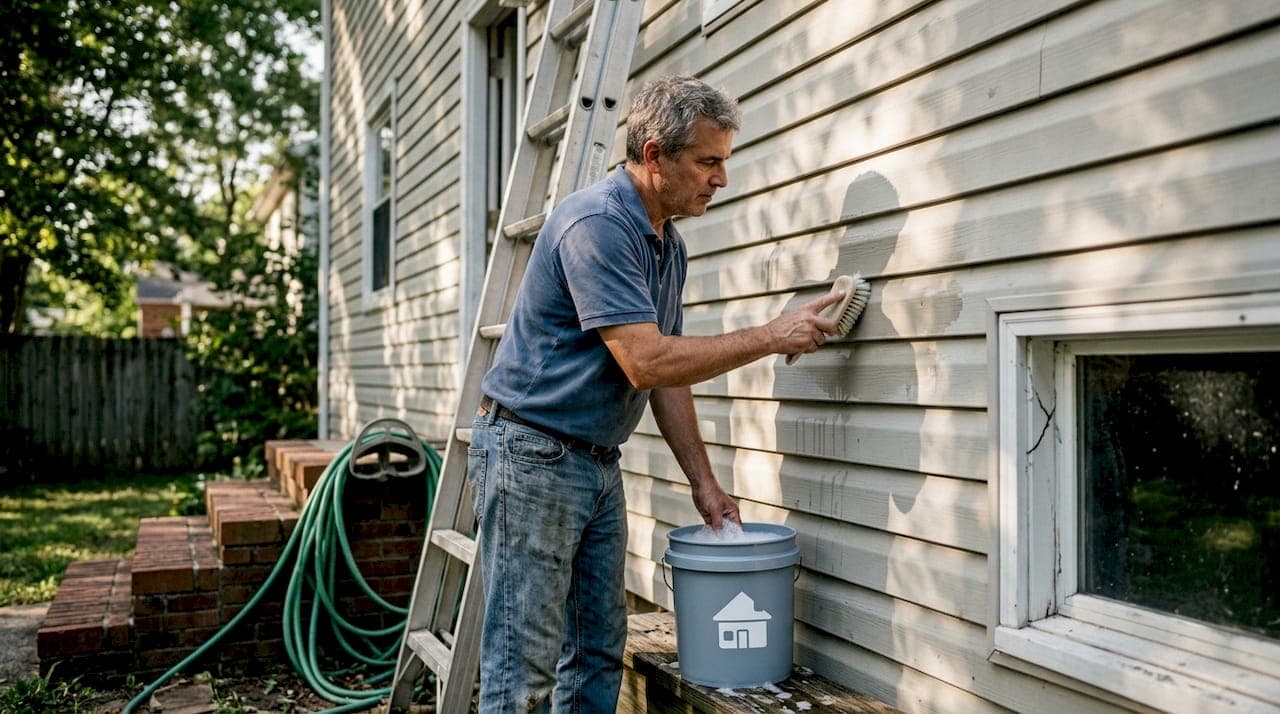
Coastal properties in Newcastle and Central Coast face a hidden threat that most homeowners overlook. Salt spray and intense UV exposure can reduce your exterior paint's lifespan by up to 50% compared to inland homes, yet many believe a complete repaint is their only option when fading appears. Paint restoration offers a practical, cost-effective alternative that revitalizes your home's appearance without the disruption and expense of full repainting. This guide explores how restoration works, when it's the right choice, and how to protect your coastal investment for years to come.
Table of Contents
- Key takeaways
- Understanding paint restoration: process and benefits
- When to restore paint and when to repaint: assessing damage and material conditions
- Special considerations for coastal homes in Newcastle and Central Coast
- DIY vs professional paint restoration: what homeowners should know
- Professional painting and restoration services in Newcastle and Central Coast
- Frequently asked questions
Key Takeaways
| Point | Details |
|---|---|
| Preserve existing paint | Paint restoration cleans and treats the current finish rather than stripping it away to extend the life of the coating. |
| Ideal for faded oxidized paint | Oxidation and fading are common in coastal homes and restoration reactivates binders while sealing the surface. |
| Severe damage requires repaint | When peeling or cracking has compromised adhesion, a full repaint with proper surface prep is necessary. |
| DIY for minor touch ups | DIY methods work for small touch ups, but professionals deliver longer lasting results. |
| Maintenance extends lifespan | Regular maintenance and protection against salt and sun keep coastal paint from needing frequent repaints. |
Understanding paint restoration: process and benefits
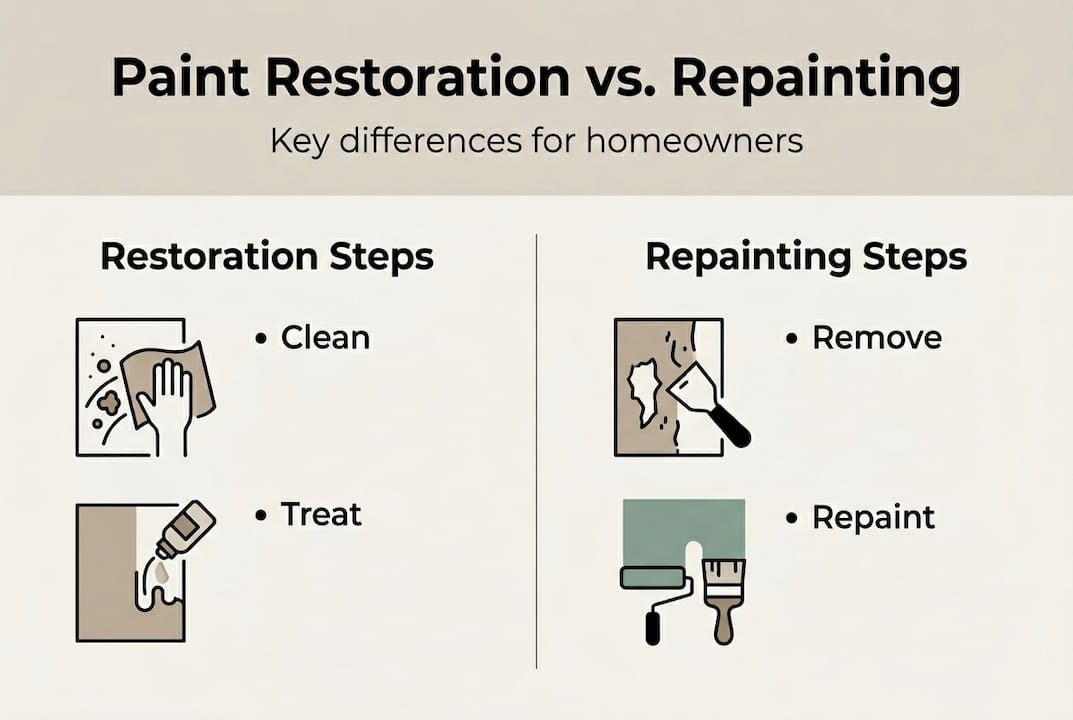
Paint restoration rejuvenates your home's exterior by treating the existing paint surface rather than stripping it away. Unlike repainting, which removes old coatings and applies fresh layers, restoration involves deep cleaning followed by application of rejuvenation products effective on oxidized paint in coastal homes. The process typically follows two critical steps that work together to breathe new life into weathered surfaces.
The first step involves thorough cleaning to remove accumulated salt, dirt, mildew, and oxidation that dulls your paint's appearance. Pressure washing before painting eliminates contaminants that prevent restoration products from bonding properly. Professional cleaners adjust pressure settings based on your paint's condition, ensuring effective cleaning without damaging the underlying surface. This preparation phase is crucial because even the best restoration products can't work through layers of grime and oxidation.
The second step applies specialized chemical treatments that restore color vibrancy and create a protective barrier against future weathering. These products penetrate the paint surface, reversing oxidation and bringing back the original luster. Modern restoration formulas contain UV inhibitors and moisture barriers particularly effective in coastal environments where sun and salt constantly attack painted surfaces. The treatment bonds with your existing paint, extending its life by several years when applied correctly.
Restoration delivers several compelling benefits for coastal homeowners:
- Cost savings of 40-60% compared to full repainting projects
- Preservation of original paint layers that still have structural integrity
- Minimal disruption with completion in 1-2 days versus weeks for repainting
- Environmental advantages by avoiding paint waste and chemical stripping
- Extended protection against coastal weathering elements
Pro Tip: Professional-grade restoration products contain higher concentrations of active ingredients than retail versions, delivering results that last 3-5 years versus 6-12 months for DIY alternatives. The upfront investment in quality products pays dividends through extended protection and fewer maintenance cycles.
When to restore paint and when to repaint: assessing damage and material conditions
Understanding the limits of restoration helps you make informed decisions about your home's exterior. Not every paint problem responds to restoration treatments, and attempting to restore severely damaged surfaces wastes time and money. The key lies in accurately assessing your paint's condition and the underlying substrate's integrity.
Oxidation and fading represent ideal candidates for restoration. These conditions occur when UV rays break down paint binders, creating a chalky surface layer that dulls color. If you can rub your hand across the paint and see chalky residue on your fingers, oxidation is present but the paint film itself remains intact. Restoration products reverse this process by reactivating binders and sealing the surface. Minor dirt accumulation, mildew staining, and slight discoloration also respond well to restoration techniques.
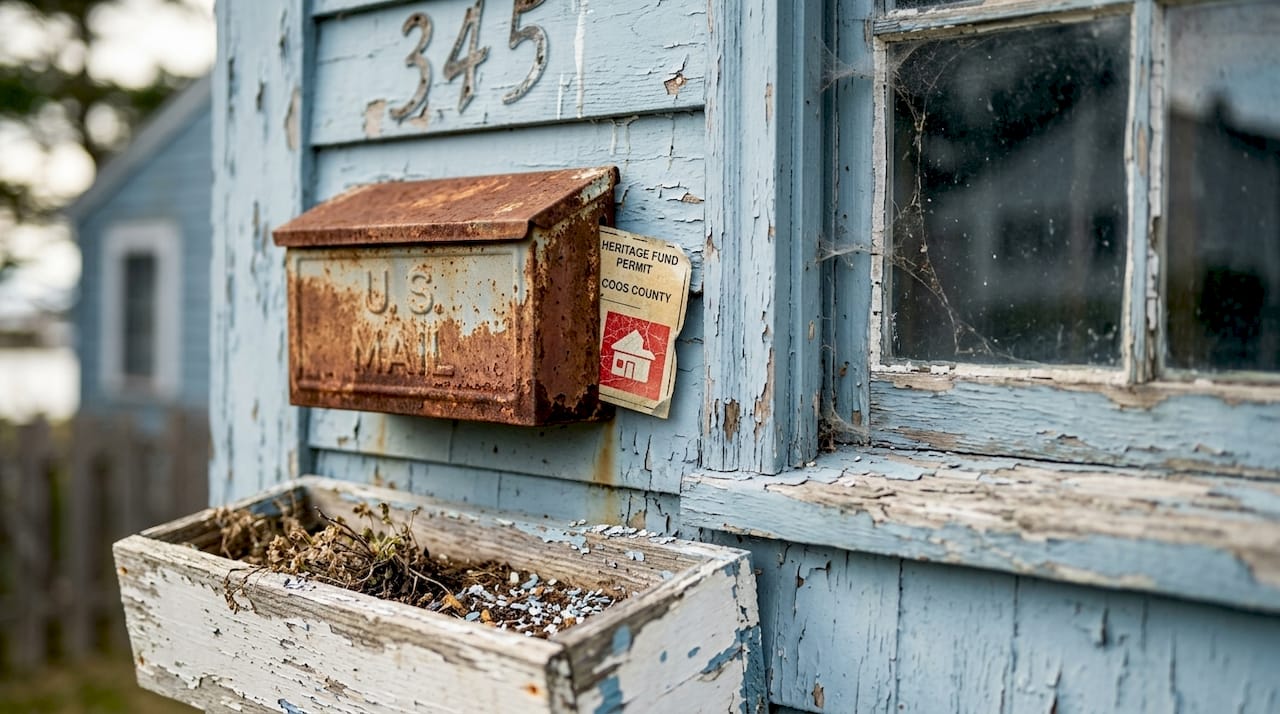
However, severe peeling and cracking require full removal and repainting because the paint has lost adhesion to the substrate. When paint lifts away in sheets or curls at the edges, the bond has failed and no amount of surface treatment can reestablish it. Attempting patch repairs on these areas leads to premature failure because new paint won't adhere properly to compromised surfaces. Historic timber structures need comprehensive preparation before refinishing to address underlying moisture or structural issues.
| Factor | Paint restoration | Full repaint |
|---|---|---|
| Process | Clean and treat existing paint | Remove old paint, prep substrate, apply new coats |
| Cost | $800-$2,000 average home | $3,500-$8,000 average home |
| Duration | 1-2 days | 1-2 weeks |
| Durability | 3-5 years with maintenance | 7-10 years with proper prep |
| Best for | Oxidation, fading, minor weathering | Peeling, cracking, substrate damage, color changes |
Several clear signs indicate your home needs repainting rather than restoration:
- Paint peeling in sheets or strips exposing bare substrate
- Deep cracks that penetrate through multiple paint layers
- Visible wood rot, water damage, or structural deterioration
- Extensive mildew growth that has penetrated the paint film
- Previous fire or smoke damage affecting the substrate
- Desire to change color or finish type completely
Pro Tip: Never attempt to restore over peeling areas by simply treating the intact sections. The underlying adhesion failure will continue spreading, and you'll need a complete repaint within months. Address the root cause first, even if it means repainting specific sections while restoring others.
Special considerations for coastal homes in Newcastle and Central Coast
Coastal environments create unique challenges that accelerate paint deterioration through multiple pathways. Salt particles carried by ocean breezes settle on painted surfaces, attracting moisture that keeps the paint constantly damp. This persistent moisture breaks down paint binders faster than normal weathering. UV radiation reflects off water and sand, intensifying sun exposure that fades colors and degrades protective layers. High humidity promotes mildew growth that stains and damages paint films.
Research confirms that coastal paint lifespan is 30-50% shorter than inland properties, making regular maintenance and restoration essential. A paint job that might last 10 years inland may only survive 5-7 years in coastal locations without intervention. This dramatic reduction in longevity makes restoration particularly valuable for coastal homeowners. By addressing oxidation and weathering every 3-4 years, you prevent the accelerated deterioration that leads to premature repainting.
"Coastal properties experience paint failure rates 30-50% higher than inland homes due to combined effects of salt spray, UV reflection, and constant humidity. Regular restoration maintenance can extend paint life by 40% in these challenging environments."
Protecting your coastal home's exterior requires proactive strategies tailored to these environmental stresses. Regular maintenance prevents minor issues from becoming major problems that require expensive repainting. Consider these essential practices:
- Rinse exterior walls with fresh water every 3-4 months to remove salt buildup
- Inspect paint annually for early signs of oxidation or mildew growth
- Address small problem areas immediately before they spread
- Apply restoration treatments every 3-4 years even if paint looks acceptable
- Ensure proper drainage to prevent water pooling near painted surfaces
- Trim vegetation to improve air circulation and reduce moisture retention
Substrate preparation becomes even more critical in coastal environments. Wood expands and contracts more dramatically with humidity fluctuations, creating stress on paint films. Metal surfaces corrode faster when exposed to salt air. Coastal home repaint specialists understand these regional factors and incorporate appropriate primers and sealers that create moisture barriers before applying finish coats. Skipping these preparation steps leads to premature paint failure regardless of product quality.
Don't assume that premium paint alone solves coastal weathering problems. While high-quality coatings resist fading and mildew better than economy options, they still require proper application over well-prepared surfaces. The best paint applied incorrectly will fail faster than average paint applied with meticulous preparation. This reality makes professional expertise particularly valuable for coastal properties where environmental conditions leave no margin for error.
DIY vs professional paint restoration: what homeowners should know
Many homeowners wonder whether they can tackle paint restoration themselves or should hire professionals. The answer depends on your project's scope, your skill level, and the complexity of issues affecting your paint. Understanding what restoration tasks suit DIY approaches versus those requiring professional expertise helps you make cost-effective decisions that deliver lasting results.
DIY restoration works well for minor cleaning and touch-ups on small areas. If you're addressing light oxidation on a single wall or refreshing a garage door, retail restoration products can produce acceptable results. Basic cleaning with appropriate solutions removes surface contaminants that dull paint appearance. Applying restoration treatments to limited areas gives you experience with the process before committing to larger projects. These small-scale efforts teach you about product application and help you recognize when professional intervention becomes necessary.
However, DIY suitable for minor cleaning and touch-ups, but professionals essential for substrate repairs and coastal prep to avoid adhesion failure. Whole-house restoration requires equipment most homeowners don't own, including commercial-grade pressure washers with adjustable settings, sprayers for even product application, and safety gear for working at heights. Professionals understand how different substrates respond to cleaning and treatment, adjusting techniques to prevent damage. They identify underlying problems that restoration can't fix, saving you from wasting money on treatments that won't last.
Improper preparation leads to adhesion failure that necessitates complete repainting sooner than expected. Inadequate cleaning leaves contaminants that prevent restoration products from bonding. Over-aggressive pressure washing damages paint and drives moisture into substrates. Applying products in wrong weather conditions reduces effectiveness and durability. These mistakes cost more to correct than hiring professionals initially, especially when you factor in wasted materials and time.
Consider these factors when deciding between DIY and professional restoration:
- DIY advantages: Lower cost for small areas, flexible timing, learning experience, immediate attention to minor issues
- DIY disadvantages: Limited equipment, higher product costs per unit, inconsistent results, safety risks on tall structures, time investment
- Professional advantages: Superior equipment and products, expertise in problem diagnosis, warranty coverage, faster completion, comprehensive solutions
- Professional disadvantages: Higher upfront cost, scheduling coordination, trusting others with your property
Pro Tip: Evaluate your project's scope honestly before starting DIY restoration. If the affected area exceeds 500 square feet, involves hard-to-reach locations, or shows signs of underlying substrate problems, professional services deliver better value through superior results and time savings. Save DIY efforts for maintenance between professional treatments.
Exterior painting preparation guidance demonstrates the complexity involved in properly preparing coastal homes for any paint work. The same attention to detail applies to restoration projects, where thorough preparation determines treatment longevity. Professionals bring this expertise along with commercial-grade products that outperform retail alternatives by significant margins.
Professional painting and restoration services in Newcastle and Central Coast
When your coastal home needs expert attention, partnering with specialists who understand regional challenges ensures lasting results. Local professionals bring experience with salt air, humidity, and UV exposure that accelerates paint deterioration in Newcastle and Central Coast properties. They use weather-resistant coatings formulated for coastal conditions and know how to prepare surfaces for maximum adhesion and durability.

Professional painting services in Newcastle offer comprehensive solutions from initial assessment through final protection. Experienced teams evaluate your paint's condition, recommend appropriate restoration or repainting approaches, and execute work with attention to detail that extends your investment's lifespan. Merewether coastal repaint specialists understand the specific challenges facing beachside properties and adjust techniques accordingly. They provide warranties backing their work, giving you confidence in results that withstand harsh coastal environments. Exterior paint preparation guidance ensures every project starts with proper surface treatment, whether you're restoring existing paint or applying fresh coats.
Frequently asked questions
What is paint restoration and how does it differ from repainting?
Paint restoration cleans and treats existing paint to restore its appearance and protective qualities without removing it. Repainting involves stripping old paint and applying new coats. Restoration costs 40-60% less and takes days instead of weeks, making it ideal for oxidized or faded paint that still adheres properly.
When should I choose restoration over repainting my home?
Choose restoration when paint shows oxidation, fading, or minor weathering but remains firmly attached to the substrate. If you can't easily peel paint away and see no deep cracks or rot, restoration likely works. Repainting becomes necessary when paint peels in sheets, cracks penetrate deeply, or substrate damage exists.
How much does paint restoration typically cost?
Restoration costs $800-$2,000 for an average home compared to $3,500-$8,000 for complete repainting. Factors affecting price include surface area, paint condition, accessibility, and product quality. Coastal homes may cost slightly more due to additional preparation needed for salt and moisture damage.
How long does restored paint last in coastal environments?
Properly restored paint lasts 3-5 years in coastal areas with regular maintenance. This compares to 7-10 years for complete repainting with quality products. Regular rinsing to remove salt buildup and prompt attention to minor issues extends restoration longevity significantly.
Can I restore my home's paint myself or should I hire professionals?
DIY restoration works for small areas under 500 square feet with light oxidation. Larger projects, hard-to-reach areas, or homes showing substrate problems require professional expertise. Professionals use commercial-grade products and equipment that deliver superior, longer-lasting results worth the investment for whole-house projects.
What maintenance helps restored paint last longer?
Rinse exterior walls with fresh water every 3-4 months to remove salt accumulation. Inspect annually for oxidation or mildew and address issues immediately. Ensure proper drainage and trim vegetation for air circulation. Apply maintenance restoration treatments every 3-4 years to prevent deterioration from progressing to the point where repainting becomes necessary.