
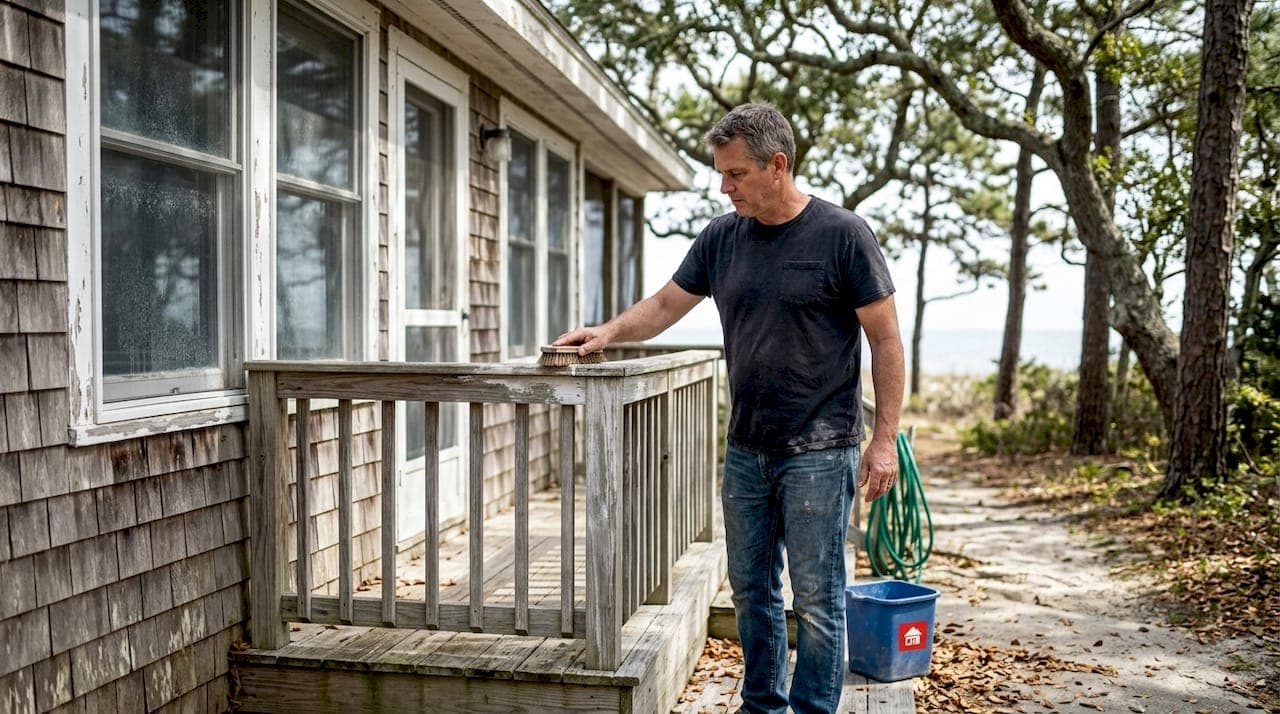
Coastal homeowners often blame harsh weather for paint failures, but the real culprit usually hides beneath the surface. Salt deposits, airborne pollutants, and moisture accumulate invisibly on exterior walls, creating barriers that prevent proper paint adhesion. Without thorough pre-paint cleaning, even premium coatings peel within months instead of lasting years. This guide reveals how strategic surface preparation protects your investment and ensures durable finishes in challenging coastal environments like Newcastle and Lake Macquarie.
Table of Contents
- Key takeaways
- Why pre-paint cleaning is critical for coastal NSW properties
- Professional versus DIY pre-paint cleaning: benefits and risks
- Effective pre-paint cleaning techniques for durable results
- Key factors to prioritize for long-lasting paint on coastal properties
- Enhance your coastal home's paint longevity with professional services
- Frequently asked questions
Key Takeaways
| Point | Details |
|---|---|
| Surface cleaning reduces failures | Thorough cleaning before painting removes invisible contaminants that block adhesion and dramatically lowers the risk of coating failures. |
| Salt removal critical | Coastal salt deposits disrupt paint bonds and trap moisture, causing peeling if not cleaned before painting. |
| Professional prep benefits | Trained cleaners use appropriate techniques to protect substrates while removing contaminants, improving coating performance and longevity. |
| DIY risks are high | Improper DIY methods can damage siding and trap moisture, leading to bigger paint problems and higher repair costs. |
Why pre-paint cleaning is critical for coastal NSW properties
Coastal properties face relentless assault from environmental factors that inland homes never encounter. Salt spray travels several kilometers from the ocean, settling on walls and creating microscopic crystals that disrupt paint bonds. These crystals attract moisture, forming a corrosive layer between your substrate and coating. The result? Paint lifts away in sheets, exposing vulnerable surfaces to accelerated deterioration.
Moisture combines with airborne pollutants to create an acidic film on exterior surfaces. This invisible contamination prevents paint from forming molecular bonds with substrates. Your walls might look clean to the naked eye, but chemical residues lurk in every pore and texture. When paint goes over these barriers, adhesion fails from day one.
Research confirms that inadequate surface preparation causes over 80% of coating failures, making cleaning the single most important step in any paint project. The statistics reveal a harsh truth: shortcuts during preparation guarantee expensive do-overs. Property owners who skip this step essentially throw money away on paint that cannot perform as designed.
Key contamination sources in coastal NSW include:
- Salt crystals from ocean spray that penetrate porous surfaces
- Industrial fallout and vehicle emissions creating acidic deposits
- Biological growth like mildew and algae that retain moisture
- Oxidation and chalking from previous paint layers breaking down
Proper house exterior painting prep transforms contaminated surfaces into receptive substrates. The process removes everything standing between your paint and lasting adhesion. Without this foundation, even the highest quality coatings fail prematurely, wasting both materials and labor.
"Salt air doesn't just affect metal surfaces. Wood, fiber cement, and masonry all absorb salt that disrupts paint chemistry. Cleaning removes what you cannot see but will definitely feel in your wallet when paint fails early."
Coastal conditions demand respect and specialized preparation protocols. The harsh environment exposes any weakness in surface preparation within months. Properties near Newcastle, Charlestown, and Lake Macquarie experience accelerated paint degradation without proper cleaning because salt never stops accumulating. Regular maintenance becomes essential, not optional.
Professional versus DIY pre-paint cleaning: benefits and risks
Professional cleaning services bring expertise that prevents costly mistakes during surface preparation. Trained technicians understand pressure settings, detergent chemistry, and surface-specific techniques that preserve substrates while removing contaminants. They recognize when fiber cement requires gentler treatment than brick, preventing damage that creates bigger problems than dirty surfaces.
DIY approaches often cause irreversible harm through improper technique. Homeowners frequently use excessive pressure that etches siding, strips protective layers from wood, or drives water behind cladding systems. These mistakes create moisture problems and surface irregularities that compromise paint adhesion. What starts as cost savings becomes expensive repairs plus the professional cleaning you should have hired initially.
Professionals tailor pressure washing before painting to match surface materials and contamination levels. They adjust equipment based on whether they are treating delicate weatherboards, robust masonry, or oxidized metal. This customization protects your investment while achieving thorough cleaning. Generic DIY methods cannot match this precision.
| Approach | Advantages | Risks | Best For |
|---|---|---|---|
| Professional | Complete contaminant removal, no surface damage, proper equipment, insurance coverage | Higher upfront cost | Multi-unit properties, delicate surfaces, severe salt exposure |
| DIY | Lower immediate expense, flexible scheduling | Surface etching, incomplete cleaning, personal injury, equipment rental costs | Small single-story areas, minimal contamination, experienced homeowners |
Property managers face unique challenges with commercial strata painting projects where consistency across multiple units matters. Professional services ensure uniform preparation that prevents patchy results and tenant complaints. When some units receive thorough cleaning while others get rushed treatment, the inconsistency shows immediately after painting.
Research shows that professional prep reduces repaints and callbacks because experts eliminate variables that cause failures. They document surface conditions, identify problem areas, and adjust methods accordingly. This systematic approach catches issues before paint goes on, saving thousands in remediation costs.
Pro Tip: If you attempt DIY cleaning, test your technique on an inconspicuous area first. Start with lower pressure and increase gradually only if needed. Many surfaces clean effectively at 1500-2000 PSI, far below the 3000+ PSI that causes damage. When in doubt, hire professionals rather than risk permanent harm to your property.
The decision between professional and DIY cleaning should factor in property value, surface complexity, and your skill level. A small single-story home with vinyl siding presents different challenges than a three-story fiber cement building. Coastal exposure amplifies every mistake because salt contamination requires thorough removal that casual cleaning cannot achieve.
Effective pre-paint cleaning techniques for durable results
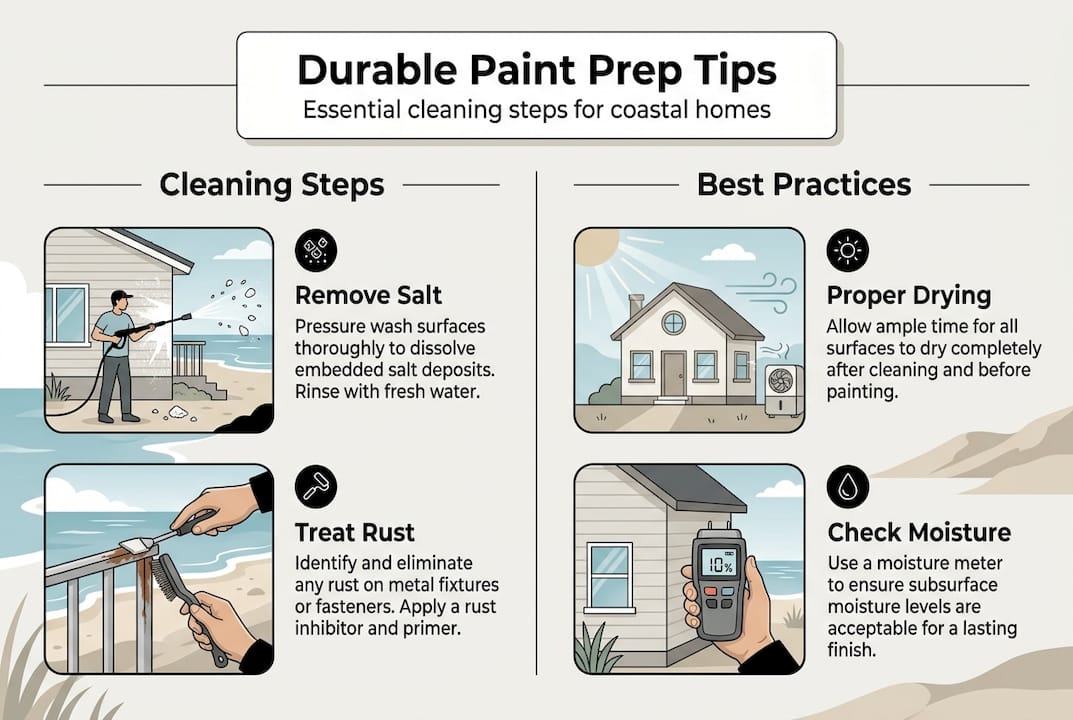
Successful pre-paint cleaning follows a systematic sequence that addresses each contamination layer. Starting with salt removal establishes a clean foundation for subsequent steps. Mix a solution of trisodium phosphate or specialized salt neutralizer with water, applying it to all surfaces before pressure washing. This chemical treatment dissolves salt crystals that water alone cannot remove.
Pressure washing comes next, using appropriate PSI settings for your specific surface material. Work from top to bottom in overlapping horizontal passes, maintaining consistent distance from the surface. Hold the wand at a 45-degree angle to prevent water from driving under siding or into vulnerable joints. Proper technique removes loosened contaminants without causing substrate damage.
- Apply salt-neutralizing detergent to all exterior surfaces, allowing 10-15 minutes dwell time
- Pressure wash using surface-appropriate PSI (1500-2500 for most residential materials)
- Treat rust spots with phosphoric acid-based converter on metal surfaces and fasteners
- Scrape away loose or flaking paint using carbide scrapers or wire brushes
- Rinse thoroughly with clean water to remove all chemical residues
- Allow surfaces to dry completely for 48-72 hours before priming or painting
Rust treatment prevents staining and adhesion problems on metal components. Apply rust converter to affected areas, transforming oxidation into a stable surface that accepts paint. This step proves critical for coastal properties where metal fixtures, flashings, and fasteners corrode rapidly. Removing rust before painting stops the spread of corrosion that continues beneath paint films.
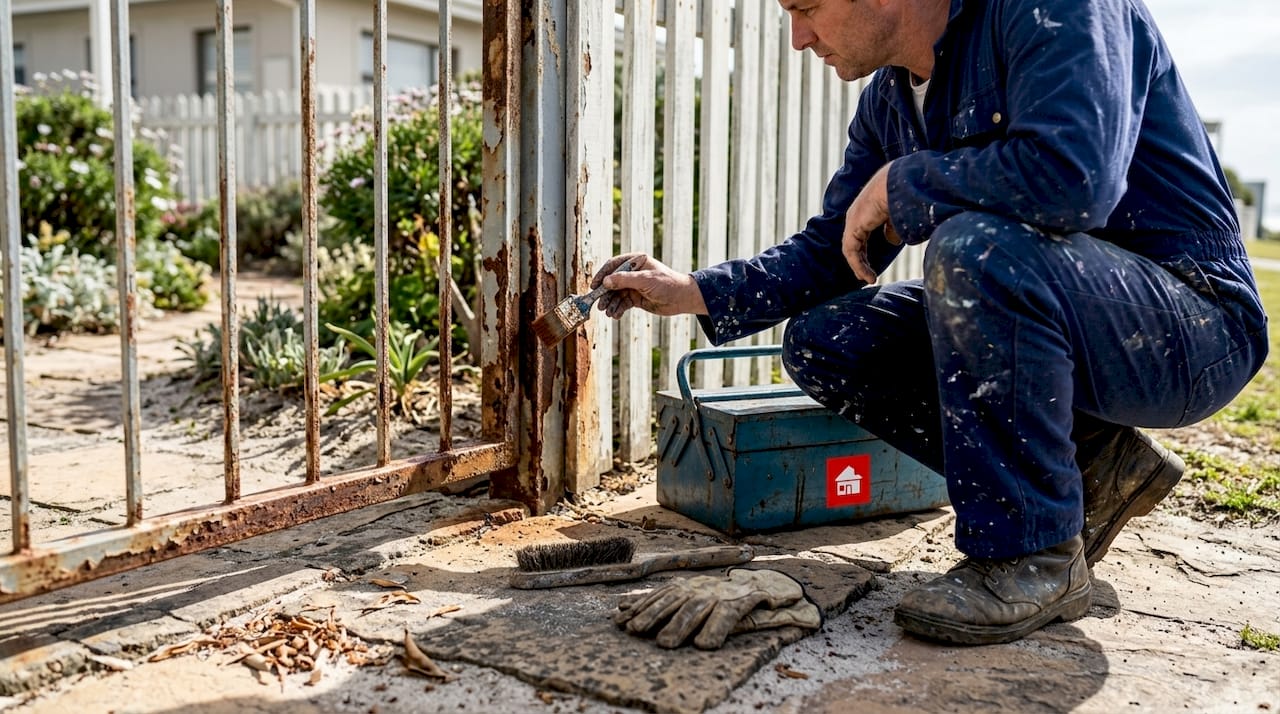
Skipping salt removal in coastal NSW leads to rapid peeling as crystals disrupt adhesion and promote underfilm corrosion. Salt acts like tiny wedges between paint and substrate, creating separation points where moisture enters. Once this process starts, it accelerates exponentially because water reaching the substrate carries more dissolved salts inward.
Drying time receives insufficient attention from impatient property owners eager to paint. Moisture trapped beneath paint causes blistering, poor adhesion, and mildew growth. Porous materials like wood and masonry require longer drying periods than non-porous surfaces. Weather conditions affect drying rates, with humidity slowing the process significantly.
Pro Tip: Use a moisture meter to verify surfaces are dry before painting, especially on wood and masonry. Readings should be below 15% for wood and 12% for masonry. Visual dryness deceives because moisture hides deep within porous materials. Testing eliminates guesswork and prevents moisture-related paint failures.
Detergent selection impacts cleaning effectiveness and surface safety. Alkaline cleaners excel at removing organic contamination and oxidized paint but can etch aluminum and damage certain siding types. pH-neutral surfactants clean gently without chemical reactions that harm substrates. Match your cleaner to the contamination type and surface material for optimal results.
Proper house prep for painting includes protecting landscaping, windows, and fixtures during cleaning. Cover plants with plastic sheeting, tape off windows, and remove or protect light fixtures. Chemical cleaners and high-pressure water damage vegetation and force water into electrical components. Prevention costs far less than replacing killed plants or repairing water-damaged fixtures.
Key factors to prioritize for long-lasting paint on coastal properties
Regular inspection catches developing problems before they require major intervention. Walk your property every three months, looking for early signs of paint degradation, salt accumulation, or moisture intrusion. Early detection allows simple cleaning rather than extensive repairs. Coastal conditions change rapidly, with storm seasons depositing heavy salt loads that demand prompt attention.
Timing your painting project around weather patterns maximizes coating performance. Avoid painting during extreme heat, high humidity, or when rain threatens within 48 hours. Ideal conditions feature moderate temperatures between 50-85°F, low humidity below 70%, and stable weather forecasts. Paint chemistry depends on proper curing, which environmental factors heavily influence.
Applying the recommended number of paint coats for coastal exposure provides essential protection. Two coats of quality exterior paint create the minimum film thickness needed for durability. Single-coat applications save money initially but fail prematurely because thin films cannot withstand coastal assault. The second coat fills microscopic gaps and creates redundancy when the surface layer degrades.
Critical priorities for coastal paint longevity:
- Schedule annual maintenance cleaning to remove salt before it accumulates
- Inspect caulking and sealants twice yearly, replacing degraded materials promptly
- Address water intrusion sources immediately to prevent substrate damage
- Use coastal-grade paints formulated with enhanced mildewcides and UV blockers
- Maintain proper drainage around foundations to minimize moisture exposure
Routine maintenance cleaning extends paint lifespan significantly compared to neglect. Annual gentle washing removes salt and pollutants before they bond permanently to surfaces. This preventive approach costs a fraction of premature repainting while preserving your property's appearance and protection. Think of maintenance cleaning as insurance against expensive paint failures.
| Maintenance Task | Frequency | Impact on Paint Life | Estimated Cost Savings |
|---|---|---|---|
| Gentle surface cleaning | Annually | Extends life 2-3 years | $3,000-$5,000 in delayed repainting |
| Caulking inspection/repair | Every 6 months | Prevents moisture damage | $1,500-$3,000 in substrate repairs |
| Mildew treatment | As needed (typically quarterly) | Maintains appearance and adhesion | $500-$1,000 in touch-up costs |
| Drainage maintenance | Annually | Reduces moisture-related failures | $2,000-$4,000 in damage prevention |
Property managers benefit enormously from systematic prep that ensures even adhesion across multi-unit properties. Consistent preparation eliminates the patchy results that generate tenant complaints and reduce property values. When all units receive identical treatment, paint performs uniformly and maintenance schedules align across the entire property.
Coastal-grade paint formulations include additives that combat specific environmental challenges. Enhanced mildewcides prevent biological growth in humid conditions. UV blockers slow color fading from intense sunlight. Flexible resins accommodate thermal expansion without cracking. These specialized coatings cost more but deliver superior performance that justifies the investment.
Exterior painting prep tips emphasize that preparation quality determines paint longevity more than coating selection. Premium paint over poorly prepared surfaces fails faster than economy paint over properly cleaned substrates. This reality frustrates homeowners who invested in expensive coatings without understanding that preparation matters most.
Documenting your maintenance activities creates valuable records for future reference. Photograph surfaces before and after cleaning, note weather conditions during painting, and track which products performed best. This information guides future decisions and helps new property managers understand maintenance history. Good records prevent repeated mistakes and optimize maintenance investments.
Enhance your coastal home's paint longevity with professional services
Achieving lasting paint results in coastal NSW requires expertise that goes beyond basic cleaning knowledge. Professional painters understand how salt, moisture, and environmental factors interact with different surfaces and coatings. They bring specialized equipment, proven techniques, and insurance protection that DIY approaches cannot match.

Painters in Charlestown and surrounding coastal areas face unique challenges that demand tailored solutions. Local professionals recognize how microclimates affect paint performance and adjust preparation methods accordingly. Their experience prevents the costly mistakes that turn painting projects into ongoing nightmares.
Comprehensive house exterior painting prep services handle every aspect of surface preparation, from initial inspection through final quality checks. This systematic approach ensures nothing gets overlooked in the rush to start painting. Professional pressure washing before painting removes contaminants safely while protecting your property from damage.
Frequently asked questions
What if the paint is already peeling on my coastal home?
Inspect peeling areas to identify whether salt contamination, moisture intrusion, or inadequate preparation caused the failure. Remove all loose paint back to sound surfaces using scrapers and wire brushes. Clean exposed areas thoroughly to remove salt and contaminants before spot-priming and repainting. Consider professional assessment if peeling appears widespread, as this often indicates systemic preparation failures requiring comprehensive treatment.
How often should I schedule pre-paint cleaning before repainting?
Clean surfaces thoroughly before every repainting cycle, typically every 5-7 years depending on exposure severity and coating quality. Properties within 500 meters of the ocean require more frequent attention due to heavy salt deposition. Annual maintenance cleaning between paint jobs extends coating life by removing accumulating contaminants before they cause damage. This preventive approach reduces long-term costs substantially.
Can I do pre-paint cleaning myself or should I hire professionals?
DIY cleaning works for small, simple projects when you understand proper techniques and own appropriate equipment. However, most coastal properties benefit from professional services that prevent surface damage while ensuring thorough contamination removal. Multi-unit buildings, delicate siding materials, and severe salt exposure particularly demand professional expertise. The cost of fixing DIY mistakes typically exceeds professional cleaning fees, making experts the smarter investment for valuable properties.