

Choosing a painting warranty can feel overwhelming when coverage terms and durations vary widely between contractors and products. Understanding essential warranty features helps property owners avoid costly repainting and ensures the quality and durability of their investment. This article breaks down important warranty criteria, compares premium versus budget options, and provides practical guidance for selecting the right warranty coverage for properties in the Newcastle region and surrounding coastal areas.
Table of Contents
- Key takeaways
- Essential criteria for evaluating painting warranties
- Key painting warranty features and their benefits
- Comparing premium vs budget painting warranties: what you need to know
- How to make the right painting warranty choice for your Newcastle property
- Protect your property with expert painting and solid warranties
- What is included in a typical painting warranty?
Key Takeaways
| Point | Details |
|---|---|
| Major vs minor defects | Under NSW regulations major defects typically receive six years of coverage, while minor defects receive two years. |
| Written warranties | Insist on written warranties that clearly define coverage, exclusions, and the process for filing claims rather than relying on verbal promises. |
| Workmanship vs product coverage | Warranties should separately cover workmanship and paint product quality, noting that labor is covered for application issues while product failures fall under manufacturer warranties. |
| Coastal paints requirement | For Newcastle and coastal regions warranties should address environmental factors such as salt air, UV exposure, and moisture, and endorse marine grade, UV resistant paints. |
Essential criteria for evaluating painting warranties
When assessing painting warranties, you need to understand the fundamental criteria that separate comprehensive coverage from limited protection. Warranties must distinguish major defects linked to structural issues from minor cosmetic defects, as these categories carry different legal implications and coverage periods. Under NSW regulations, major defects typically warrant six years of coverage, while minor defects receive two years of protection.
Written warranties eliminate ambiguity by explicitly defining coverage terms, exclusions, and claim procedures. You should never rely solely on verbal promises from contractors. Insist on documented warranties that specify exactly what defects are covered, the duration of coverage, and the process for filing claims. This documentation becomes your legal protection if issues arise years after the paint job is completed.
Check whether the warranty covers labor separately from product defects. Many contractors offer workmanship warranties that address application errors, surface preparation issues, and technique problems. However, these workmanship guarantees typically exclude paint product failures, which fall under manufacturer warranties. Understanding this distinction helps you identify gaps in coverage before signing contracts.
Key warranty criteria to verify include:
- Clear definition of major versus minor defects with specific examples
- Separate coverage terms for workmanship and paint product quality
- Explicit exclusions such as damage from neglect, unauthorized alterations, or environmental factors
- Transparent claim process with defined inspection and repair timelines
- Documentation requirements for maintaining warranty validity
For properties in Newcastle and coastal regions, ensure your warranty addresses environmental challenges specific to NSW like salt air exposure, UV intensity, and moisture penetration. Coastal conditions accelerate paint degradation, making comprehensive warranty coverage even more critical for long-term property protection.
Key painting warranty features and their benefits
Comprehensive painting warranties include specific features that protect your investment and provide clear recourse if problems develop. Warranties should specify the types of defects covered, such as peeling, blistering, fading, or chalking, while explicitly listing exclusions like damage from neglect, improper maintenance, or environmental events beyond normal wear. This clarity prevents disputes when you need to file a claim.
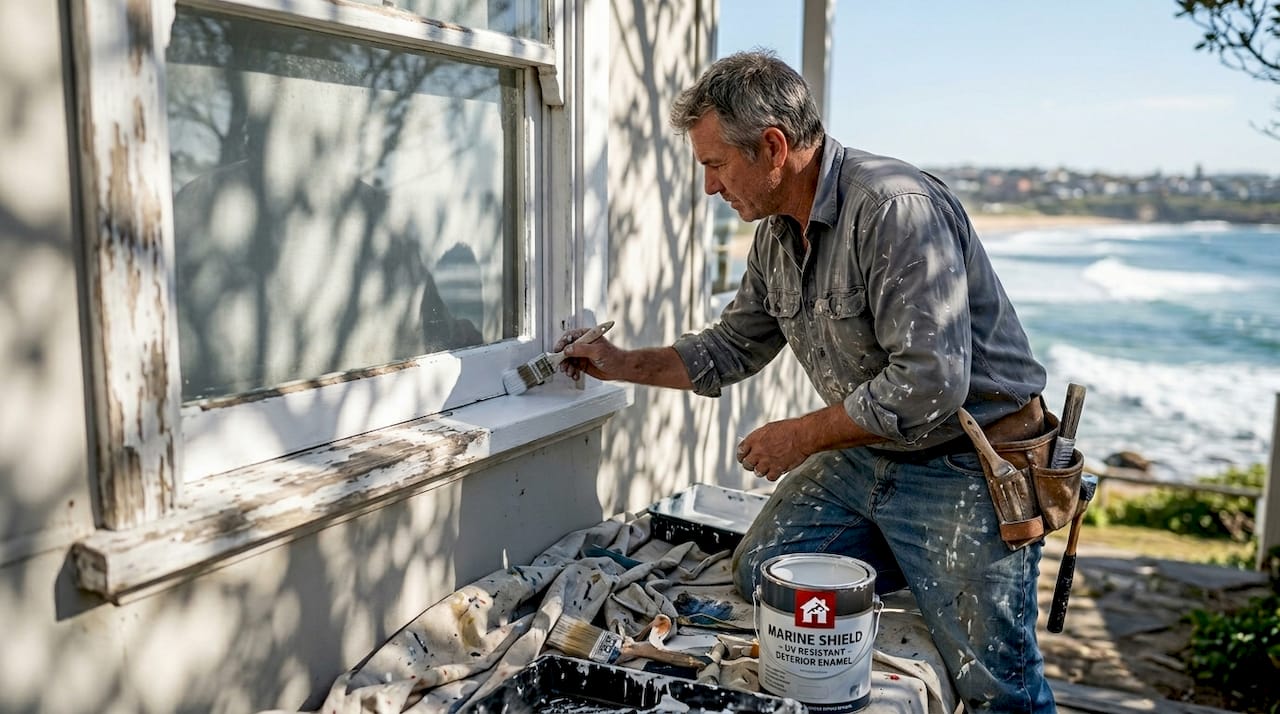
The use of marine-grade, UV-resistant paints is essential in Newcastle's coastal environment to prevent premature failure. Standard interior paints cannot withstand the salt air, intense sunlight, and moisture fluctuations common in coastal areas. Warranties that require or recommend marine-grade products demonstrate a contractor's understanding of regional conditions and commitment to durability.
Warranty claim terms must be transparent, including inspection timelines, repair procedures, and contractor response obligations. You should know exactly how long the contractor has to inspect reported defects, what documentation you need to provide, and the timeline for completing repairs. Vague claim processes often result in delayed responses or disputed coverage when you need warranty service.
Separately check the manufacturer warranty for paint products and the contractor warranty for workmanship. Manufacturer warranties typically cover product defects like premature fading or adhesion failure, but only if the paint was applied correctly according to specifications. Contractor workmanship warranties address application errors, surface preparation problems, and technique issues. Both types of coverage are necessary for complete protection.
Verify whether repainting or color changes affect warranty validity. Some warranties become void if you alter the original paint job, even for touch-ups or minor repairs. Others allow modifications but require you to use the same paint brand and application methods. Understanding these restrictions helps you avoid accidentally voiding your coverage.
Pro Tip: Request a sample warranty document before hiring a painter. Review it carefully to identify any limitations, exclusions, or conditions that might affect your specific property type or location. This advance review lets you negotiate better terms or compare warranties between contractors before making your final decision.
Important warranty features to prioritize:
- Comprehensive defect coverage including peeling, blistering, fading, and adhesion failure
- Marine-grade paint requirements for coastal painting specialists in Newcastle region
- Clear claim procedures with defined timelines and documentation requirements
- Separate manufacturer and contractor warranties covering both product and workmanship
- Explicit terms regarding alterations, maintenance requirements, and warranty transferability
Comparing premium vs budget painting warranties: what you need to know
Premium paint warranties typically last longer and cover more defect types than budget options, reflecting the superior quality and durability of high-end products. While budget paint warranties might offer only two to three years of limited coverage, premium brands often provide five to ten years of comprehensive protection. This extended coverage period aligns with the longer lifespan and better performance of premium paints in challenging environments.
Budget paint warranties are shorter and less comprehensive, creating a risk of earlier repainting and higher long-term costs. Lower-quality paints fade faster, peel more readily, and require more frequent touch-ups, especially in coastal areas with harsh environmental conditions. The money you save upfront on budget paint often gets spent multiple times over on premature repainting within a few years.
Premium paints like Dulux, Haymes, and Taubmans outperform budget options significantly, potentially saving $14,000 over 12 years through reduced maintenance and repainting frequency. This calculation includes the avoided costs of surface preparation, labor, and disruption associated with frequent paint jobs. For properties in Newcastle's coastal environment, premium paints with superior UV resistance and moisture protection deliver even greater value.
Workmanship warranties vary less by paint brand but depend heavily on contractor reliability and expertise. A skilled contractor using budget paint might offer a better workmanship warranty than an inexperienced painter using premium products. However, the best protection combines premium paint with expert application from trusted Charlestown painters who understand coastal conditions and proper surface preparation techniques.
Consider the total cost of ownership including repaint cycles when evaluating warranties. A budget paint job costing $5,000 with a two-year warranty might need repainting every five years, totaling $15,000 over 15 years. A premium paint job costing $8,000 with a seven-year warranty might last 12-15 years before requiring full repainting, saving thousands in long-term costs.
| Warranty Type | Typical Duration | Coverage Scope | Best For |
|---|---|---|---|
| Premium paint | 7-10 years | Comprehensive defect coverage including fading, peeling, adhesion | Coastal properties, high-exposure areas, long-term investment |
| Mid-range paint | 4-6 years | Moderate coverage with some exclusions | Protected areas, budget-conscious projects with reasonable expectations |
| Budget paint | 2-3 years | Limited coverage, many exclusions | Temporary solutions, rental properties, low-exposure interior spaces |
| Workmanship only | 1-5 years | Application errors, surface prep issues | Supplements product warranty, varies by contractor reputation |
Pro Tip: Calculate the cost per year of coverage when comparing warranties. Divide the total project cost by the warranty duration to see the annual investment. A $10,000 premium job with a 10-year warranty costs $1,000 per year, while a $6,000 budget job with a 3-year warranty costs $2,000 per year, making the premium option more economical despite higher upfront cost.
How to make the right painting warranty choice for your Newcastle property
Selecting the right painting warranty requires a systematic approach to ensure comprehensive protection for your specific property type and environmental conditions. Follow these practical steps to verify warranty coverage and secure the best protection for your investment.
First, ask for a detailed written warranty before hiring painters. This document should explicitly state coverage duration, included defects, exclusions, claim procedures, and maintenance requirements. Never accept verbal warranty promises, as these provide no legal protection if disputes arise. Review the warranty carefully and request clarification on any ambiguous terms before signing contracts.
Second, confirm whether the warranty covers both product defects and workmanship separately. Manufacturer warranties require proof of proper application, while workmanship coverage addresses labor issues but excludes product defects or neglect. You need both types of protection for complete coverage. Ask contractors to provide copies of manufacturer warranty documents along with their own workmanship guarantees.
Third, check whether proper surface preparation and paint application are conditions to maintain warranty validity. Most warranties require contractors to follow manufacturer specifications for surface cleaning, priming, coat thickness, and drying times. Verify that your contractor commits to these standards in writing and understands the specific requirements for coastal properties in the Newcastle region.
Steps for securing comprehensive warranty protection:
- Request written warranty documents from at least three contractors for comparison
- Verify coverage duration matches or exceeds NSW legal minimums for major and minor defects
- Confirm separate product and workmanship warranties with clear coverage boundaries
- Check that warranty terms address coastal environmental factors like salt air and UV exposure
- Review claim procedures including inspection timelines, documentation requirements, and repair commitments
- Ensure warranty remains valid if property ownership transfers during coverage period
Select warranties specifying coverage duration with clear claim process steps. Vague warranties stating "we stand behind our work" provide no actionable protection. Look for specific commitments like "contractor will inspect reported defects within 7 days and complete repairs within 30 days" or "warranty covers peeling, blistering, and fading for 6 years from completion date."
Maintain documentation and photos during the painting project to support future claims. Photograph surfaces before painting begins, during surface preparation, after primer application, and upon final completion. Keep copies of contracts, warranties, paint product labels, and any correspondence with the contractor. This documentation proves proper application and helps resolve disputes if warranty claims are challenged.
Additional warranty verification steps:
- Confirm contractor holds proper licensing and insurance as required by painting warranty standards
- Check contractor reviews and references specifically regarding warranty claim responsiveness
- Verify paint products meet manufacturer specifications for coastal environments
- Ask about warranty transferability if you plan to sell the property during coverage period
- Understand maintenance requirements such as cleaning frequency or inspection schedules
For properties throughout the Newcastle region, work with local Newcastle painters who understand coastal conditions and offer warranties specifically designed for salt air exposure, intense UV radiation, and moisture challenges. Local expertise ensures proper product selection and application techniques that maximize warranty benefits and long-term paint performance.
Protect your property with expert painting and solid warranties
After learning about warranty features and selection criteria, the next step is partnering with experienced painters who deliver both quality workmanship and comprehensive warranty protection. 4 Elements Painting offers detailed written warranties following industry best practices, distinguishing between workmanship coverage and product guarantees to ensure you understand exactly what protection you receive.

Their team uses premium paints specifically suited for Newcastle's coastal climate, including marine-grade formulations with superior UV resistance and moisture protection. This product selection, combined with meticulous surface preparation and expert application techniques, maximizes the durability of your paint job and the value of your warranty coverage. Local expertise ensures proper preparation and application methods that meet manufacturer specifications, maintaining the validity of product warranties while delivering lasting results. Explore comprehensive Newcastle painting services backed by transparent painting warranty standards, or connect with experienced Lake Macquarie painters who understand regional environmental challenges and protection requirements.
What is included in a typical painting warranty?
What is included in a typical painting warranty?
Typical painting warranties include coverage for defects like peeling, blistering, fading, and adhesion failure resulting from improper application or product defects. Workmanship warranties address labor issues such as inadequate surface preparation, incorrect primer application, or technique errors, while manufacturer warranties cover paint product failures when properly applied. Most warranties exclude damage from neglect, unauthorized alterations, environmental events, or failure to follow maintenance requirements. Review warranty details and licensing to understand specific coverage terms before starting your project.
How long do painting warranties typically last in Newcastle?
Major paint defects require 6-year warranty coverage and minor defects 2 years under NSW law, establishing legal minimums for contractor obligations. However, premium paint products often carry longer manufacturer warranties ranging from 7 to 10 years, reflecting superior durability and performance. Coastal climate conditions may reduce effective lifespan without proper marine-grade paint selection and expert application, making product choice and contractor expertise critical for Newcastle properties. Check NSW painting regulations for additional requirements affecting warranty coverage.
Does a painting warranty cover labor and materials?
Contractors usually warrant their workmanship separately from paint manufacturers' product warranties, creating two distinct coverage types. Workmanship warranties cover labor but not product defects, while manufacturer warranties cover the paint product if properly applied according to specifications. Proper application is often a condition for product warranty validity, meaning contractors must follow manufacturer guidelines for surface preparation, priming, coat thickness, and drying times. Verify both coverage types are included and clearly documented when reviewing painting warranty coverage from contractors.
How can I maintain my painting warranty long-term?
Follow contractor care instructions carefully and avoid unauthorized alterations like repainting, power washing with excessive pressure, or installing fixtures that penetrate painted surfaces. Keep detailed records and photos of the original paint job, any maintenance performed, and the condition of painted surfaces over time to support warranty claims. Address minor damage promptly to prevent small issues from escalating into major defects that might void warranty coverage. Regular gentle cleaning and inspection help identify problems early, and proper painting surface preparation before the initial paint job sets the foundation for long-term warranty validity.