
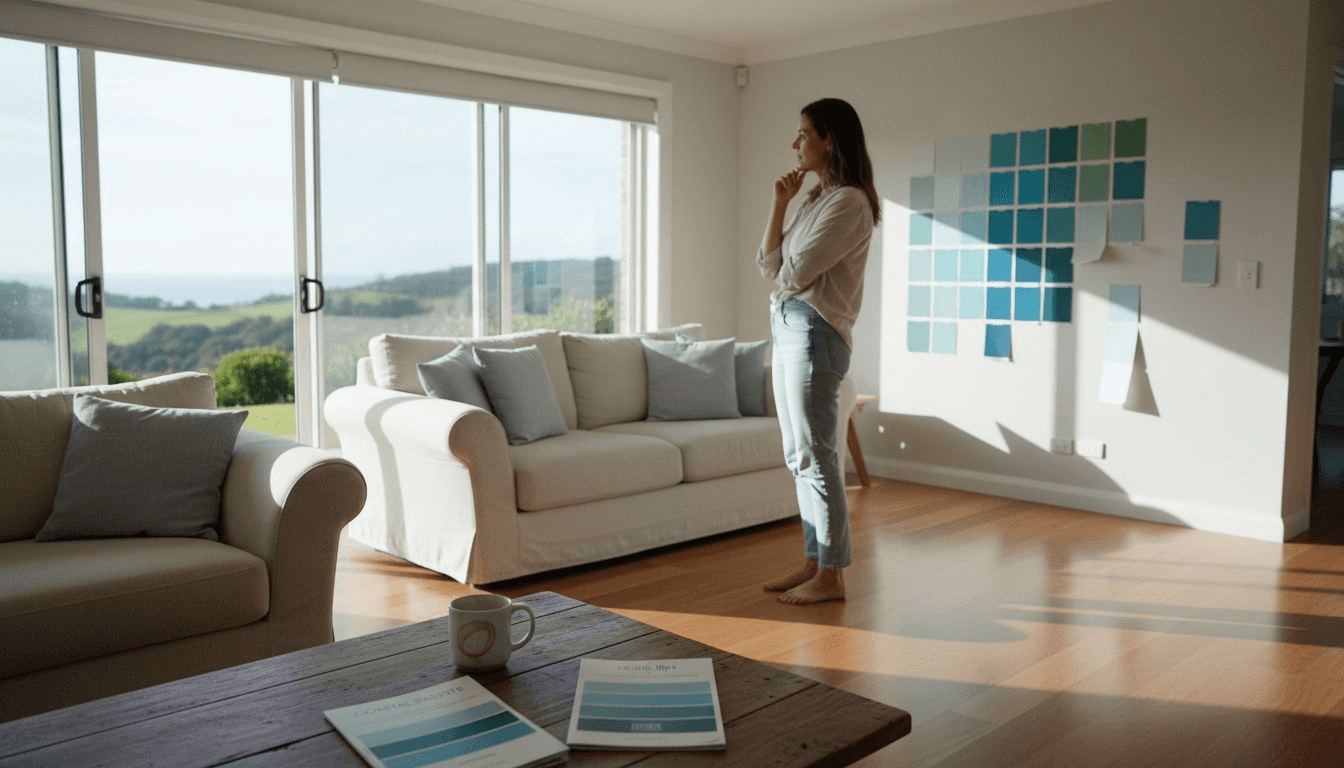
Painting a feature wall can transform your living space from ordinary to stunning, but achieving that professional finish is trickier than it looks. Many DIY painters in coastal New South Wales struggle with uneven coverage, color mismatches, and paint failures caused by humidity and salt exposure. This comprehensive guide walks you through every step, from selecting the perfect wall to maintaining your beautiful results for years to come.
Table of Contents
- Understanding The Basics: Choosing The Right Feature Wall
- Preparing Your Wall For Paint: Clean, Patch, And Prime
- Choosing Paint And Colors For Coastal Homes
- Step-By-Step Painting Techniques For A Flawless Feature Wall
- Maintaining Your Feature Wall And What To Expect After Painting
- Professional Painting Services In Coastal NSW
Key takeaways
| Point | Details |
|---|---|
| Proper preparation determines success | Wall cleaning, patching, and priming account for 70% of painting success and prevent common failures. |
| Color impacts room ambiance significantly | Blue tones create calm environments, while proper color choice increases satisfaction by 15-25%. |
| Tenants face strict painting restrictions | NSW policy prohibits most internal painting by tenants, including feature walls. |
| Rolling technique prevents visible marks | Using the W or M rolling pattern ensures even coverage and eliminates streaks. |
Understanding the basics: choosing the right feature wall
Selecting the right wall sets the foundation for your entire project. You want a wall that naturally draws attention and enhances your room's existing design elements.
Start by identifying walls that already serve as focal points. The wall behind your bed works perfectly in bedrooms, while living rooms benefit from walls featuring fireplaces or entertainment centers. These surfaces naturally catch the eye when someone enters the room.
Natural light dramatically affects how colors appear throughout the day. North facing walls in coastal NSW homes receive softer, cooler light that can make warm colors feel more balanced. South facing walls get brighter, warmer light that intensifies color saturation. Walk through your space at different times to see how existing light plays across potential feature walls.
If you're renting, stop before buying any paint. Homes NSW policy prohibits tenants from undertaking major internal painting, including feature walls. This restriction applies across most social housing properties in coastal NSW. Even subtle colors may require written approval from your property manager. Check NSW painting restrictions for tenants before starting any work.
Consider these factors when choosing your feature wall:
- Architectural features like alcoves, chimneys, or built in shelving that create natural boundaries
- Room function and how the feature wall supports daily activities
- Existing furniture placement and whether it complements or competes with your chosen wall
- Moisture exposure in coastal environments, especially in bathrooms or kitchens
- Visibility from main entry points and adjacent rooms
Preparing your wall for paint: clean, patch, and prime
Proper preparation separates amateur paint jobs from professional results. Surface prep accounts for 70% of your painting success, so resist the urge to skip steps.
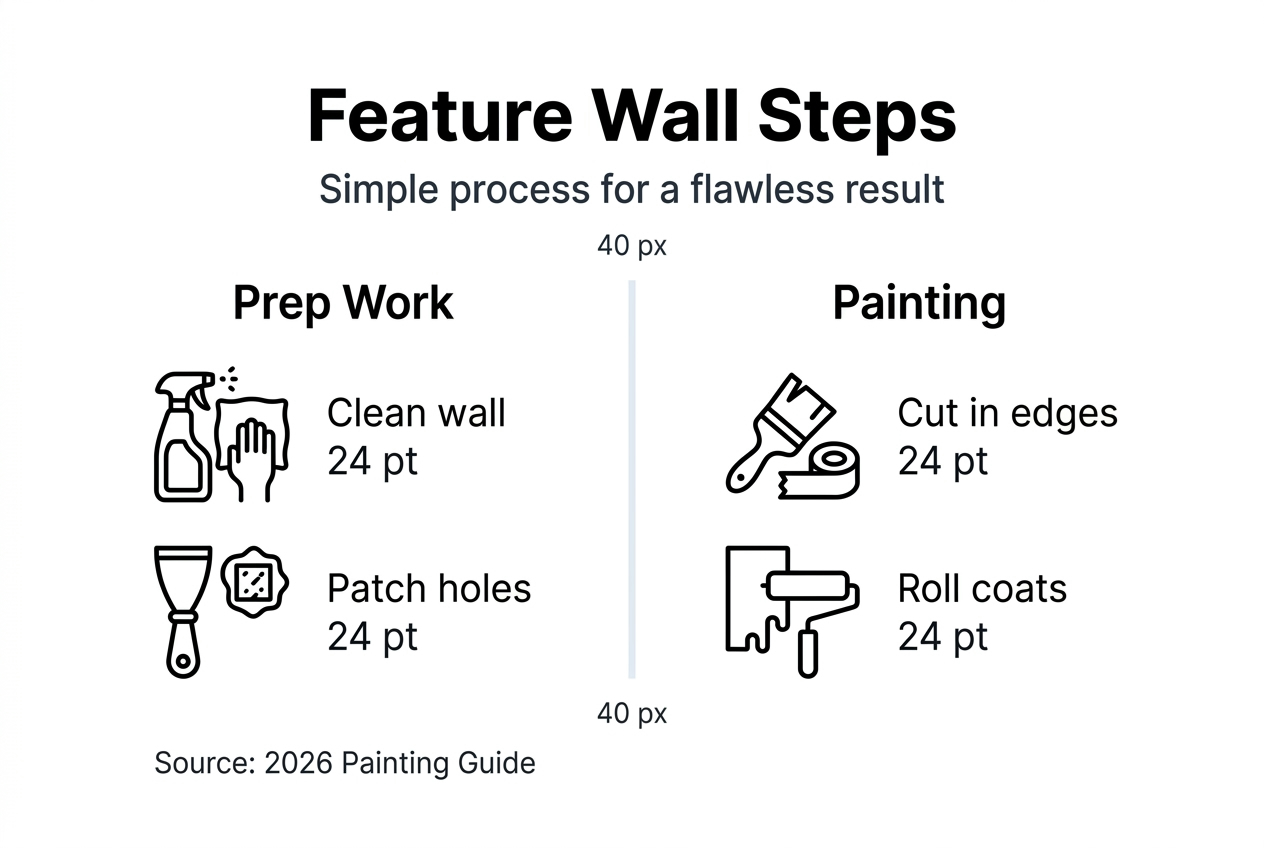
Start by washing your entire wall with a mild detergent solution. Coastal NSW homes accumulate salt residue, dust, and airborne particles that prevent paint adhesion. Use a sponge or soft cloth to scrub gently, paying extra attention to areas near windows and doors. Let the wall dry completely, usually 24 hours in humid coastal conditions.

Next, inspect every inch for holes, cracks, and imperfections. Fill these with quality spackling compound or plaster filler. Apply slightly more than needed because most fillers shrink as they dry. Let patches cure according to manufacturer instructions, typically 2 to 4 hours.
Sanding creates the smooth surface that makes paint look flawless. Use 120 grit sandpaper for filled areas and 220 grit for the entire wall. Sand in circular motions, applying light pressure. Wear a dust mask because sanding generates fine particles that irritate lungs. Wipe down the wall with a damp cloth to remove all sanding dust.
Priming patched areas prevents them from absorbing paint differently than surrounding surfaces. Apply primer only to repaired spots unless you're painting over dark colors or raw drywall. Quality primer seals porous surfaces and helps your topcoat adhere properly.
Pro Tip: Coastal homes benefit from using mold resistant primer in rooms with higher humidity. This extra protection prevents mildew growth under your beautiful new paint.
Consider bringing in professionals if your wall has extensive damage or water stains. The exterior painting preparation techniques used by experienced painters can also apply to interior projects requiring deep cleaning.
Choosing paint and colors for coastal homes
Your paint and color choices determine both the immediate visual impact and long term durability of your feature wall. Smart selection saves you from repainting within months.
Blue is associated with calm and serenity, making it perfect for bedrooms and bathrooms in coastal homes. Soft greens echo the natural NSW landscape and create refreshing spaces. Warm neutrals like taupe or warm gray add sophistication without overwhelming smaller rooms. Research shows proper color choice increases satisfaction by 15-25%.
Paint quality matters tremendously in humid coastal environments. Look for low VOC, washable formulas that resist moisture and mildew. Interior Expressions® Low Sheen offers excellent durability for NSW conditions. The washable finish lets you clean marks without damaging the surface.
Tenants must navigate additional restrictions. 100% acrylic water-based paint is allowed under certain conditions, but only in pastel or neutral colors. Bold or dark feature walls typically violate tenancy agreements. Always get written approval before purchasing any paint. Review paint color restrictions NSW to understand your specific limitations.
Match paint finish to room function:
- Flat or matte finishes hide imperfections but show marks easily
- Eggshell provides subtle sheen and moderate washability for living areas
- Satin or low sheen balances durability with attractive appearance
- Semi gloss works best for high moisture areas but highlights wall flaws
Test your chosen color on a large section before committing. Paint shifts appearance based on surrounding colors, lighting, and time of day. Buy sample pots and paint 2 foot by 2 foot squares in different wall areas. Live with these samples for several days, observing them in morning light, afternoon sun, and evening artificial light.
Step-by-step painting techniques for a flawless feature wall
Execution separates good results from great ones. Follow these proven techniques to achieve that coveted professional finish.
-
Cut in all edges first using a quality angled brush. Paint a 2 to 3 inch border around ceiling lines, corners, and baseboards. This creates clean lines and makes rolling easier. Work in 3 foot sections to maintain a wet edge.
-
Load your roller properly by rolling it in the paint tray, then rolling excess back into the reservoir. Use quality rollers and brushes with appropriate nap thickness. Three-eighths inch nap works perfectly for smooth interior walls.
-
Apply paint using the W or M technique. Roll paint in a large W or M pattern, then fill in the gaps without lifting the roller. This distributes paint evenly and prevents visible roller marks. Maintain consistent pressure throughout each stroke.
-
Overlap each section by 6 inches to blend seamlessly. Work from top to bottom in vertical sections about 3 feet wide. Never let edges dry before blending into adjacent areas.
-
Let the first coat dry completely according to paint manufacturer instructions, typically 2 to 4 hours. Apply a second coat using identical techniques for rich, even color.
-
Inspect your work after the final coat dries. Touch up any thin spots, missed edges, or imperfections with a small brush.
Pro Tip: Remove painter's tape while paint is still slightly tacky, not completely dry. Pull tape at a 45 degree angle away from the painted surface to prevent peeling. This timing creates the sharpest possible lines.
| Technique | Purpose | Key Benefit |
|---|---|---|
| Cutting in first | Creates clean borders | Eliminates need for perfect roller control near edges |
| W/M rolling pattern | Even paint distribution | Prevents streaks and roller marks |
| Overlapping sections | Seamless blending | Eliminates visible start/stop lines |
| Two coat application | Full coverage | Ensures color consistency and durability |
Remember that pressure washing and proper preparation used for exterior projects also improve interior results when dealing with heavily soiled walls.
Maintaining your feature wall and what to expect after painting
Your beautiful new feature wall needs proper care to maintain its fresh appearance for years. Understanding realistic expectations helps you plan for long term success.
Clean your feature wall gently using a soft sponge and mild soap solution. Most household marks wipe away easily from quality low sheen paints. Avoid abrasive cleaners or scrubbing that can damage the finish. For stubborn stains, try a magic eraser with light pressure on washable paints.
Coastal NSW homes face unique challenges from humidity and salt air. Premium low sheen paints provide 7-year mold protection when properly maintained. This guarantee assumes normal wear and adequate ventilation.
Maintain proper ventilation to preserve your paint job:
- Open windows regularly to reduce humidity buildup
- Use exhaust fans in bathrooms and kitchens during and after use
- Run dehumidifiers in particularly damp rooms
- Address any water leaks immediately before they damage paint
Inspect your feature wall every few months for early signs of wear. Small touch ups prevent minor issues from becoming major problems. Keep leftover paint properly sealed for future repairs. Most latex paints remain usable for 2 to 3 years when stored in cool, dry conditions.
Expect gradual fading in rooms with direct sunlight. UV rays break down paint pigments over time, especially in vibrant colors. Consider window treatments to protect your investment in sun exposed rooms.
Professional repainting services become worthwhile when DIY maintenance feels overwhelming or extensive prep work is needed. Experienced painters in Charlestown understand coastal conditions and use specialized products that resist salt air and humidity better than standard retail paints.
Professional painting services in coastal NSW
While this guide empowers you to tackle feature walls yourself, sometimes professional expertise delivers better results. Experienced painters bring specialized knowledge particularly valuable in coastal environments.

Professional painters complete in hours what might take you an entire weekend. They bring commercial-grade equipment, proven techniques, and years of experience avoiding common pitfalls. Local painters understand which products perform best in Newcastle's salty coastal air and fluctuating humidity.
Color consultation services help you choose shades that complement your home's existing design and natural lighting. Professionals know which combinations create desired moods and which avoid costly mistakes.
If you're considering broader improvements beyond a single feature wall, comprehensive painting services in Newcastle cover interior and exterior projects. Whether you need a single accent wall or complete home transformation, 4 Elements Painting specializes in coastal NSW properties and understands the unique challenges your home faces.
FAQ
Can tenants in NSW paint feature walls themselves?
Homes NSW policy prohibits tenants from undertaking major internal painting, including feature walls. Even pastel or neutral acrylic paints typically require written approval from property managers. Bold or dark colors violate most tenancy agreements. Always obtain permission before purchasing paint to avoid penalties or required restoration at your expense.
What is the best technique to avoid roller marks on feature walls?
Use the W or M rolling pattern when applying paint to ensure even coverage and eliminate visible marks. Roll paint in a large W or M shape, then fill in gaps without lifting the roller. Cut in edges first before rolling to blend coats seamlessly.
How much can painting a feature wall increase my home's value?
Basic painting projects add up to 10% more resale value to your property. A well-executed feature wall enhances room appeal and creates strong first impressions for potential buyers. The return on investment depends on color choice, quality of execution, and overall home condition.
How long should I wait between coats when painting a feature wall?
Wait 2 to 4 hours between coats for most latex paints, though manufacturer instructions vary. Coastal NSW humidity may require longer drying times. The first coat should feel dry to touch and not transfer color when lightly pressed. Rushing between coats causes peeling and uneven coverage.