
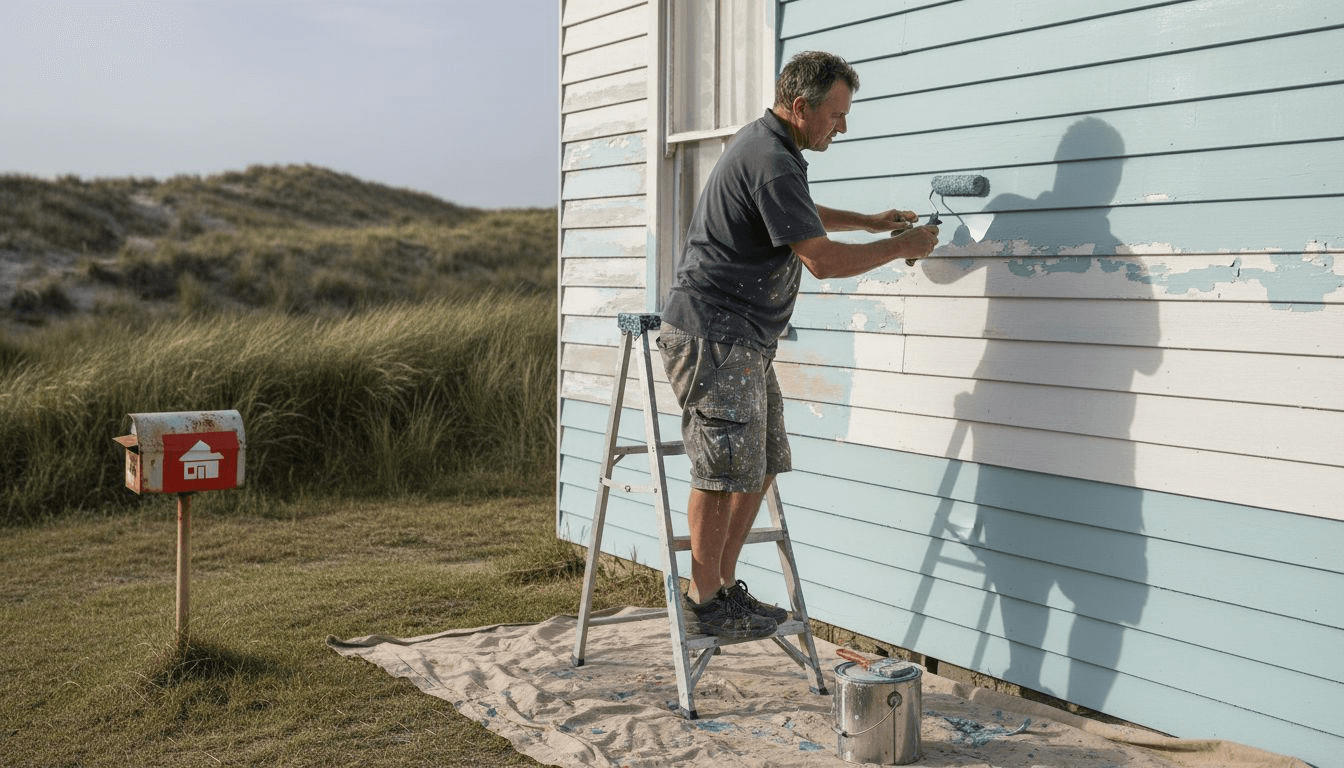
Choosing the right exterior paint for your coastal NSW home isn't just about picking a pretty color. Salt spray, relentless humidity, and intense UV rays constantly attack your walls, fading colors and causing premature peeling. You need paint that stands up to these harsh conditions while keeping your property looking sharp. This guide walks you through the essential criteria for selecting durable exterior paints, compares popular formulations and finishes, and helps you make a confident choice that protects your investment for years to come.
Table of Contents
- Key Criteria For Choosing Exterior Paints In Coastal NSW
- Types Of Exterior Paints Suitable For Coastal NSW Homes
- Comparing Exterior Paint Formulas And Finishes
- How To Select The Best Exterior Paint For Your Coastal Property
- Enhance Your Coastal Home's Durability With Expert Painting Services
- Frequently Asked Questions About Exterior Paints For Coastal Homes
Key takeaways
| Point | Details |
|---|---|
| Coastal conditions demand specialized paints | Salt spray, humidity, and UV exposure require formulations designed to resist moisture penetration and color fading. |
| Acrylic latex paints excel in flexibility | Water-based acrylics expand and contract with temperature changes, preventing cracks in coastal climates. |
| Surface preparation determines longevity | Proper cleaning, repairs, and priming create the foundation for paint adhesion and durability. |
| Finish selection affects performance | Glossier finishes shed moisture better, while matte options hide surface imperfections more effectively. |
Key criteria for choosing exterior paints in coastal NSW
Your paint selection starts with understanding what your coastal property faces daily. Coastal environments expose paint to salt spray, high humidity, and strong sunlight, demanding durable formulations that ordinary paints can't deliver. Salt particles carried by ocean breezes settle on surfaces and draw moisture, accelerating paint breakdown. Meanwhile, UV radiation breaks down chemical bonds in paint, causing chalking and fading.
Surface type plays a huge role in paint performance. Timber weatherboards expand and contract differently than fiber cement or brick, requiring paints with specific flexibility characteristics. Older homes with multiple paint layers need careful assessment before recoating. Peeling or blistering indicates moisture problems that fresh paint will only temporarily mask. Before selecting any paint, you should consider preparing your house for exterior painting to address underlying issues.
Finish choice impacts both aesthetics and durability in coastal settings:
- Matte finishes hide surface imperfections but trap dirt more easily
- Satin provides a subtle sheen with good cleanability
- Semi-gloss offers excellent moisture resistance for trim and high-exposure areas
- High-gloss creates maximum protection but highlights every surface flaw
Budget considerations extend beyond the initial paint purchase. Premium paints cost more upfront but often last 30 to 40 percent longer than economy options, reducing your total cost over time. Factor in maintenance requirements too. Some formulations need recoating every three to four years, while others stretch to seven or eight years between applications.
Pro Tip: Always check local regulations before finalizing your color choice, as some coastal councils impose restrictions on exterior colors to maintain neighborhood character and heritage values. Review painting restrictions in NSW to avoid compliance issues.
Types of exterior paints suitable for coastal NSW homes
Acrylic latex paints dominate coastal applications for good reason. Acrylic latex paints offer excellent flexibility and resistance to cracking in coastal climates, expanding and contracting with temperature swings without losing adhesion. These water-based formulations dry quickly, emit fewer fumes than oil-based alternatives, and clean up easily with soap and water. Modern acrylics incorporate advanced resins that create breathable films, allowing moisture vapor to escape from walls while blocking liquid water penetration. This breathability prevents blistering and peeling caused by trapped moisture.
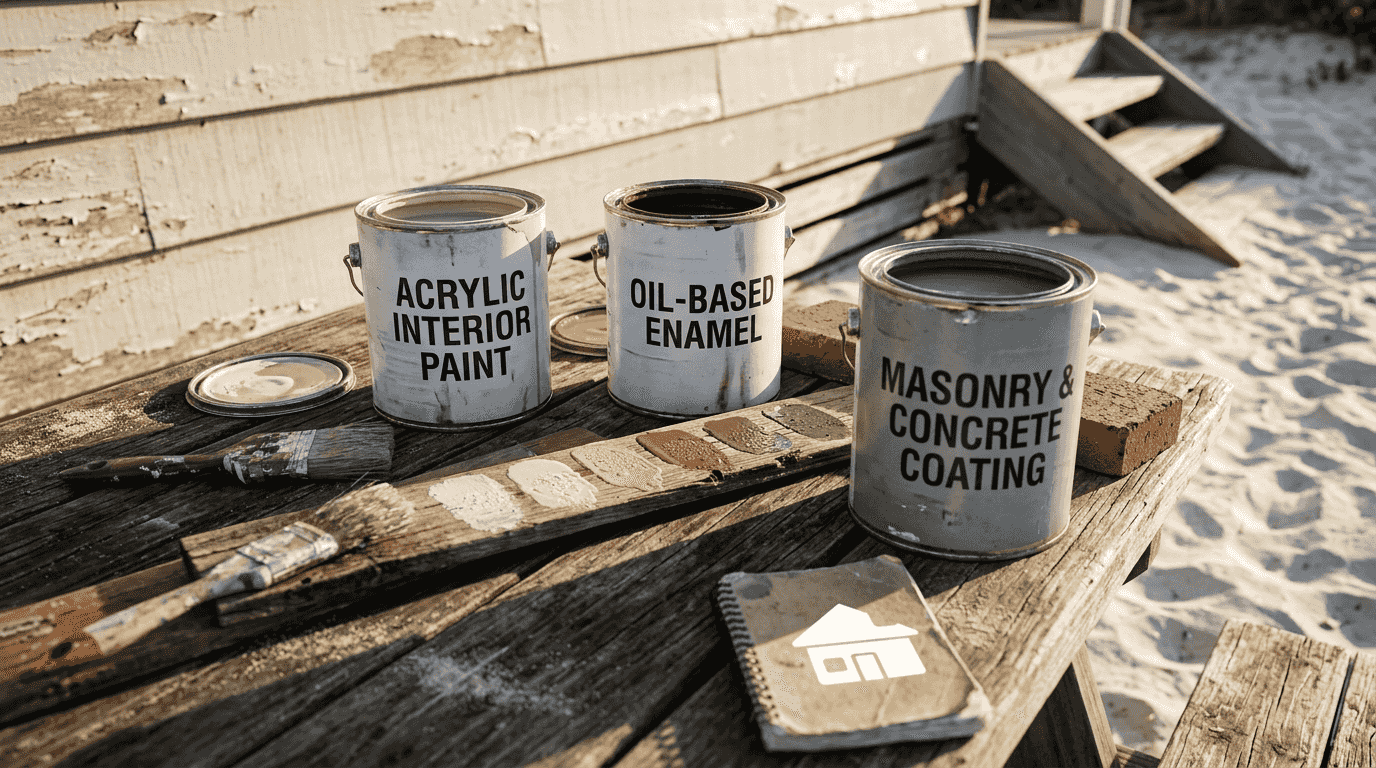
Oil-based paints still have their place despite stricter VOC regulations. They create incredibly hard, durable films with superior adhesion to challenging surfaces like old, chalky paint or bare timber. Oil-based primers excel at blocking stains and sealing porous substrates. However, they require mineral spirits for cleanup, take longer to dry, and become brittle over time in intense UV exposure. You'll typically find oil-based products reserved for trim, doors, and metal surfaces rather than large wall areas.
Elastomeric paints represent the heavy-duty option for severely weathered surfaces:
- Thickness up to ten times greater than standard paints
- Bridge hairline cracks up to 1/16 inch wide
- Exceptional water resistance and UV stability
- Higher cost but extended service life in harsh conditions
Masonry paints cater specifically to brick, concrete, and stucco surfaces common in coastal construction. These formulations contain higher levels of binders and additives that penetrate porous surfaces and resist alkali attack from fresh concrete or mortar. Many masonry paints incorporate mildewcides to combat the fungal growth that thrives in humid coastal air. For comprehensive information on exterior paint types and coatings, consider professional guidance tailored to your specific surface materials.
Comparing exterior paint formulas and finishes
Understanding how different formulations and finishes perform helps you match paint to your specific conditions. Choosing the right finish greatly affects a paint's durability and the property's look in coastal conditions. The table below compares key performance characteristics:
| Paint Type | UV Resistance | Moisture Shedding | Flexibility | Maintenance |
|---|---|---|---|---|
| Acrylic Latex | Excellent | Very Good | Excellent | Low |
| Oil-Based | Good | Excellent | Poor | Moderate |
| Elastomeric | Excellent | Outstanding | Superior | Very Low |
| Masonry | Very Good | Good | Moderate | Low |
Finish selection creates another layer of performance variation. Matte finishes scatter light to hide surface irregularities, making them ideal for older homes with imperfect walls. However, their porous nature absorbs dirt and mildew more readily than glossier options. Satin strikes a practical balance for most coastal homes, offering enough sheen to shed water while maintaining a sophisticated appearance.
Semi-gloss and gloss finishes maximize moisture resistance, making them perfect for areas that take direct weather exposure like eaves, fascias, and window trim. The smoother surface resists mildew growth and cleans easily with a hose or pressure washer. These glossy finishes also reflect more UV radiation, reducing heat absorption and color fading. The tradeoff comes in surface preparation. Every dent, ripple, and patch shows clearly under gloss paint, demanding meticulous prep work.
Pro Tip: Consider using different finishes on the same project. Apply matte or satin to large wall areas for visual appeal, then use semi-gloss on trim, doors, and high-exposure zones for maximum protection. This layered approach optimizes both aesthetics and durability.
Acrylic formulations generally outperform oil-based paints in coastal UV exposure, maintaining color and gloss longer. Oil-based products excel in adhesion to challenging surfaces but require more frequent recoating as they chalk and fade. For detailed guidance on achieving professional painting finishes, expert application techniques make as much difference as paint selection.
How to select the best exterior paint for your coastal property
Making your final paint choice requires a systematic approach that considers your property's unique characteristics. Start by walking around your home at different times of day, noting which walls receive full sun, which stay shaded, and which catch direct salt spray. South and west-facing walls in coastal NSW take the hardest beating from UV radiation and afternoon heat. These surfaces benefit most from premium acrylic formulations with maximum UV stabilizers.
Follow this decision framework:
- Assess surface condition and material type thoroughly
- Identify primary environmental stressors affecting each elevation
- Match paint formulation to surface and exposure level
- Select finish based on aesthetic preferences and maintenance tolerance
- Calculate total project cost including prep, primer, and multiple coats
- Review manufacturer warranties and expected service life
Surface preparation makes or breaks paint performance regardless of product quality. Proper surface preparation enhances paint longevity, especially in harsh coastal environments. Pressure washing removes salt deposits, mildew, and loose paint, creating a clean foundation for new coatings. Scraping and sanding smooth any rough edges. Caulking seals gaps where moisture can penetrate. Priming blocks stains and improves topcoat adhesion.
Quality paint over poor preparation fails quickly. Quality preparation under average paint performs surprisingly well. The surface matters more than the can.
Coat quantity directly impacts durability and appearance. Most coastal applications require a primer plus two finish coats for optimal coverage and protection. Darker colors may need a third coat to achieve uniform color depth. Lighter colors often hide better with fewer coats but show dirt more readily. Check recommendations for the recommended number of exterior paint coats based on your substrate and color choice.
Consider pressure washing before painting as an essential first step, not an optional upgrade. Salt buildup invisible to the naked eye creates a barrier that prevents proper paint adhesion. Professional washing removes these contaminants without damaging underlying surfaces. For complex projects or homes with significant weathering, consulting experienced coastal painters provides custom recommendations that generic product guides can't match.
Enhance your coastal home's durability with expert painting services
Navigating paint selection, surface preparation, and proper application in coastal NSW conditions requires specialized knowledge and experience. Our team at 4 Elements Painting understands the unique challenges your property faces, from salt spray corrosion to intense UV exposure. We help you choose the optimal paint formulation and finish for your specific surfaces and exposure levels, ensuring maximum durability and aesthetic appeal.

Our professional painters in Charlestown bring years of coastal painting expertise to every project, combining meticulous surface preparation with premium weather-resistant coatings. Whether you need comprehensive exterior repainting or targeted repairs to weathered areas, our Lake Macquarie painting services deliver lasting results that protect your investment. We specialize in expert exterior coatings designed specifically for harsh coastal environments, backed by solid warranties and a commitment to quality that shows in every finished project.
Frequently asked questions about exterior paints for coastal homes
How often should I repaint my coastal house exterior?
Most coastal NSW homes need repainting every five to seven years with quality acrylic paints, though high-exposure areas may require attention sooner. Factors like paint quality, surface preparation, and direct salt spray exposure significantly affect this timeline. Regular inspections help you catch early signs of failure before extensive damage occurs.
What paint finish is best for resisting salt damage?
Semi-gloss and gloss finishes provide the best salt resistance because their smoother, less porous surfaces prevent salt particles from embedding and drawing moisture. These finishes also clean more easily, allowing you to wash away salt deposits before they cause damage. However, they require excellent surface preparation to avoid highlighting imperfections.
Can I choose any color for my coastal NSW home exterior?
Most areas allow free color choice, but some coastal councils impose restrictions to preserve heritage character or neighborhood aesthetics. Always verify local regulations before purchasing paint, as unauthorized colors may require expensive corrections. Lighter colors generally perform better in coastal UV exposure, fading less noticeably than deep, saturated hues.
Is acrylic paint better than oil-based for humidity?
Yes, acrylic latex paints handle humidity better because they allow water vapor to pass through while blocking liquid water. This breathability prevents moisture from becoming trapped behind the paint film, which causes blistering and peeling. Oil-based paints create impermeable barriers that trap moisture, leading to adhesion failure in humid coastal climates.
Should I hire professionals for exterior painting in coastal areas?
Professional painters bring expertise in surface preparation, product selection, and application techniques critical for coastal durability. They understand how to address salt damage, moisture issues, and UV protection effectively. While DIY painting costs less initially, professional work typically lasts longer and looks better, providing better value over time. For guidance on coating requirements, review exterior paint coats guidance to understand what proper application involves.