
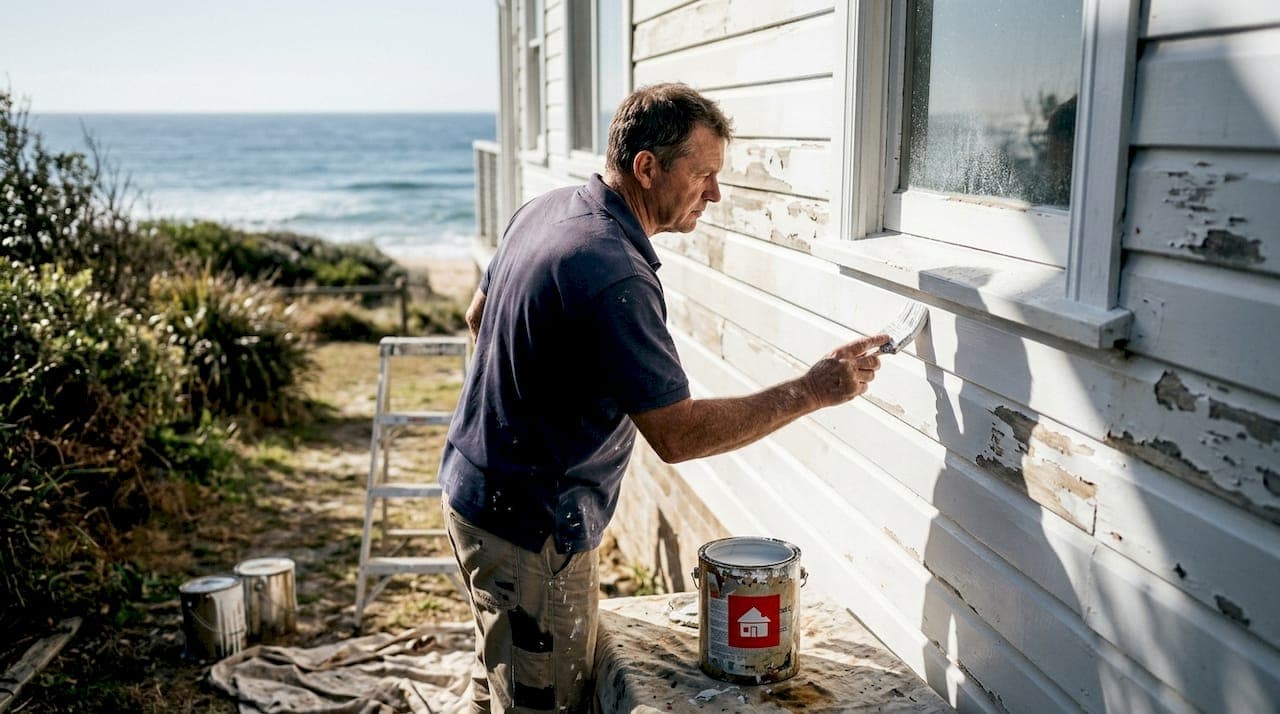
Many homeowners assume any exterior paint will last the same, but durability varies dramatically, especially in harsh coastal climates. In coastal NSW, salt spray, intense UV radiation, and high humidity accelerate paint breakdown without proper protection. Understanding what exterior paint durability means and how to select the right products can save you thousands in premaintive maintenance and preserve your property's appearance for years. This guide explains the key factors that determine paint longevity and helps you choose durable exterior paints specifically suited to coastal NSW conditions.
Table of Contents
- Key takeaways
- Understanding exterior paint durability
- Comparing exterior paint types for coastal durability
- How surface preparation and application affect paint durability
- Choosing and maintaining durable exterior paint for coastal NSW
- Expert painting services for durable coastal exterior finishes
- Frequently asked questions
Key Takeaways
| Point | Details |
|---|---|
| Durability factors | Exterior paint durability measures resistance to UV, moisture, salt, and temperature changes that determine how long a coating lasts. |
| Coastal NSW needs specialized formulations | Coastal conditions require paints designed to resist salt spray, humidity, and UV damage to prevent rapid degradation. |
| Prep and coats matter | Proper surface preparation and applying the recommended number of coats significantly extend a paint system's lifespan. |
| Quality paints save costs | Investing in high quality, durable coatings reduces maintenance and repaint frequency over time. |
| Professional painters ensure durability | Hiring skilled painters ensures proper surface preparation and consistent application that maximize coating performance in coastal conditions. |
Understanding exterior paint durability
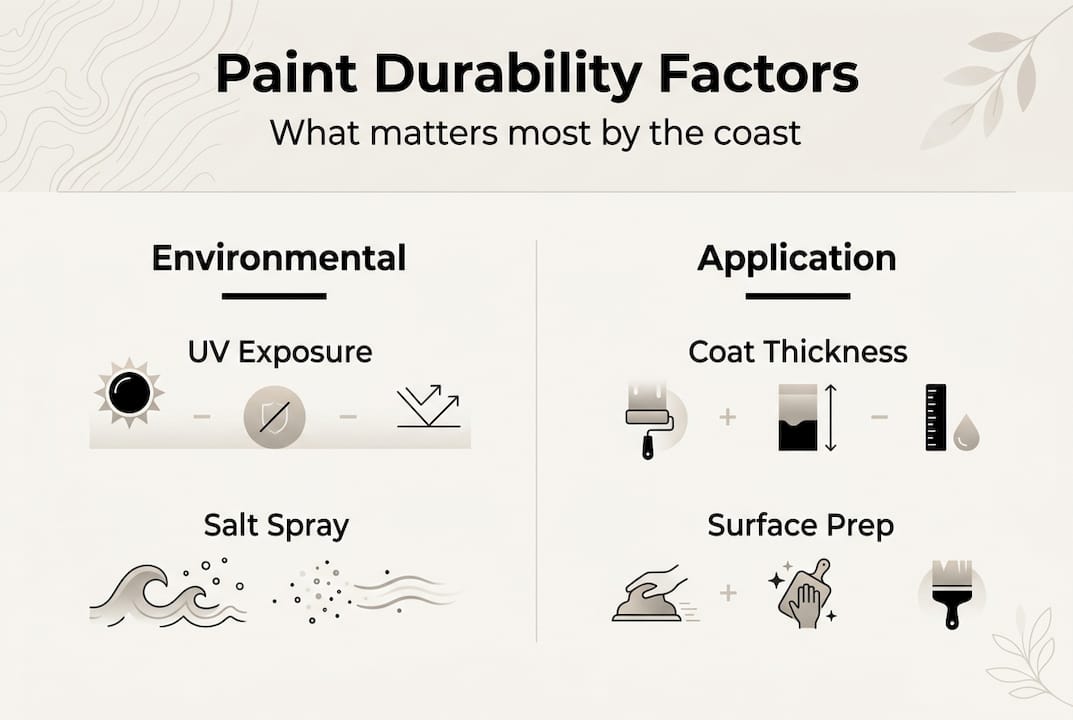
Exterior paint durability measures how well a coating withstands environmental exposure without degrading. Unlike interior paints that face minimal stress, exterior coatings battle constant assault from nature. Durability depends on resistance to UV, moisture, salt, and temperature fluctuations, which determine whether your paint lasts years or fails within months.
Several key elements define true durability. UV resistance prevents the sun's rays from breaking down paint binders and causing chalking or fading. Moisture tolerance stops water penetration that leads to blistering and peeling. Salt corrosion protection is critical in coastal areas where airborne salt crystals attack paint films. Flexibility allows paint to expand and contract with temperature changes without cracking.
Coastal NSW presents particularly harsh conditions that accelerate paint breakdown. Salt spray carried inland by ocean breezes creates a corrosive environment. High humidity levels promote mildew growth and moisture infiltration. Intense UV radiation during summer months degrades unprotected coatings rapidly. Without proper durability features, even expensive paints fail prematurely in these conditions.
The number of coats applied significantly impacts durability. Multiple coats build thickness that provides better protection against the elements. Each layer adds UV blockers, moisture barriers, and pigments that shield underlying surfaces. Proper surface preparation before painting enhances adhesion, preventing the entire paint system from delaminating.
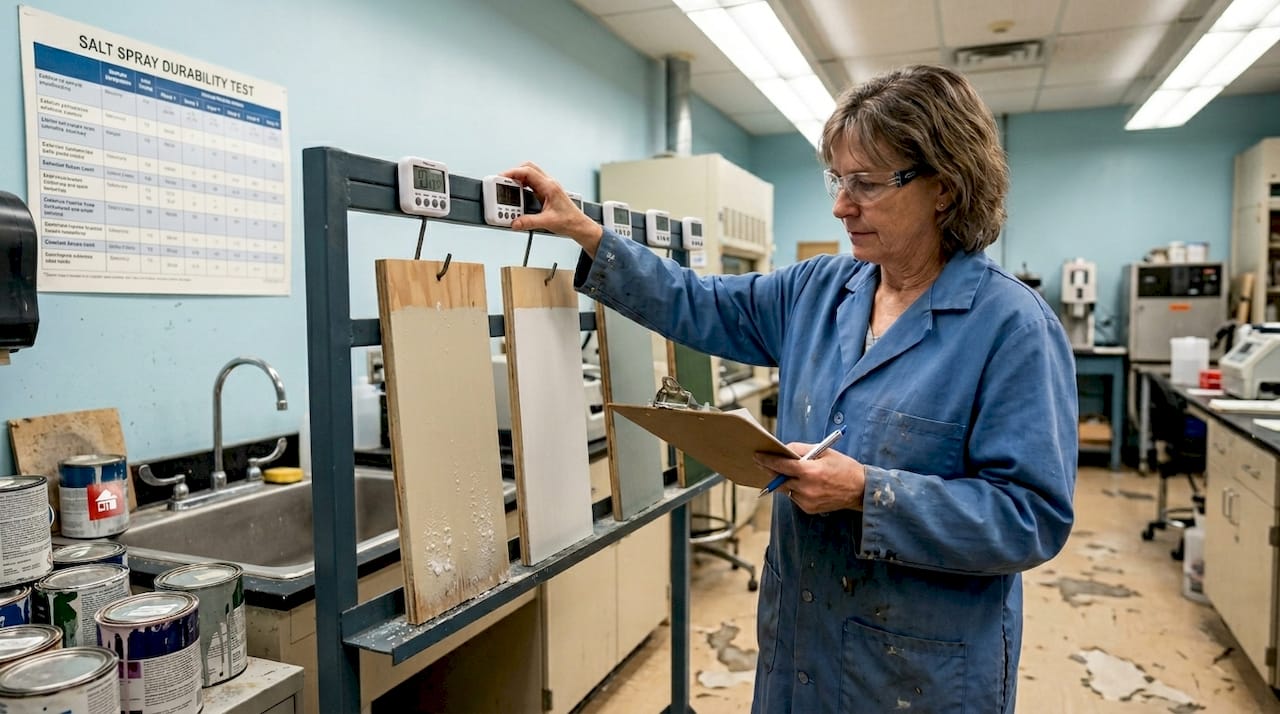
Pro Tip: Check paint specifications for ASTM testing standards that verify performance in salt spray, UV exposure, and moisture resistance before purchasing.
Think of paint durability like sunscreen protection. A low SPF product might seem adequate on cloudy days, but intense coastal sun requires maximum protection. Similarly, standard exterior paints might work inland, but coastal properties need specialized formulations engineered for extreme conditions. Understanding these durability factors helps you avoid costly mistakes and choose coatings that truly protect your investment.
With a clear understanding of what durability means, let's compare common exterior paint types and their durability features.
Comparing exterior paint types for coastal durability
Three main paint types dominate the exterior coating market, each with distinct durability characteristics. Acrylic latex paints, oil-based paints, and elastomeric coatings offer different benefits and limitations for coastal NSW applications. Understanding these differences helps you select the optimal product for your specific needs.
| Paint Type | Durability Strengths | Coastal Limitations | Best Applications |
|---|---|---|---|
| Acrylic Latex | Excellent UV resistance, flexible, breathable, low VOC | Requires proper surface prep | Wood siding, fiber cement, masonry |
| Oil-Based | Strong adhesion, smooth finish, moisture resistant | Poor UV stability, yellows over time, high VOC | Metal surfaces, trim, detailed woodwork |
| Elastomeric | Thick waterproof barrier, bridges hairline cracks | Can trap moisture if improperly applied | Stucco, concrete block, problem surfaces |
Acrylic latex paints offer excellent UV resistance and flexibility for coastal weather, making them the preferred choice for most NSW coastal homes. These water-based formulations contain acrylic resins that maintain color and integrity under intense sun exposure. They breathe, allowing moisture vapor to escape while blocking liquid water penetration. This balance prevents the blistering and peeling common with less breathable coatings.
Oil-based paints provide superior adhesion and create smooth, hard finishes ideal for metal surfaces and trim. However, their UV durability falls short of acrylics, and they yellow noticeably over time. High VOC emissions make them less environmentally friendly and harder to work with. In coastal NSW, oil-based paints work best for specific applications like metal railings or detailed woodwork rather than large surface areas.
Elastomeric coatings offer thick, rubberized protection that waterproofs surfaces and bridges small cracks. This makes them valuable for problematic substrates like aging stucco or concrete block. However, their thickness can trap moisture if applied over damp surfaces or without proper vapor barriers. Professional application is essential to avoid creating more problems than you solve.
Choosing the right paint depends on your substrate, climate exposure, and maintenance expectations. Exterior paint case studies from coastal properties demonstrate how proper selection impacts longevity. Consider also any NSW paint color guidelines that might affect your choices, especially in heritage areas or developments with color restrictions.
Pro Tip: For coastal NSW homes, premium 100% acrylic latex paints with mildewcides and UV stabilizers typically provide the best balance of durability, appearance, and value.
Understanding paint types helps, but proper preparation and application are critical to maximize durability.
How surface preparation and application affect paint durability
Even the most durable paint fails without proper surface preparation and application. These steps determine whether your coating adheres correctly and performs as designed. Shortcuts in preparation account for most premature paint failures in coastal environments.
Essential surface preparation steps:
- Clean all surfaces thoroughly by pressure washing to remove dirt, salt, algae, and loose paint that impair adhesion.
- Remove rust on metal surfaces using wire brushes or chemical treatments to prevent corrosion beneath paint.
- Scrape and sand loose or peeling paint down to sound substrate.
- Fill cracks, holes, and gaps with appropriate fillers or caulks.
- Apply primer suited to both substrate and topcoat paint type.
- Allow adequate drying time between preparation steps and coats.
Pressure washing removes contaminants that create weak points in paint adhesion. Salt deposits, airborne pollutants, and organic growth all prevent proper bonding. Pressure washing prior to painting removes these contaminants effectively, but requires proper technique to avoid damaging substrates. Too much pressure can gouge wood or force water behind siding.
Rust removal is non-negotiable for metal surfaces. Proper cleaning, rust removal, and priming significantly increase paint durability by eliminating the corrosion that continues spreading beneath coatings. Wire brushing, sanding, or chemical rust converters prepare metal for protective primers that bond to the surface and seal out moisture.
Primer selection matters as much as topcoat choice. Different substrates require specific primers that create optimal adhesion. Bare wood needs penetrating oil primers or high-build latex primers. Previously painted surfaces often need bonding primers. Metal requires rust-inhibitive primers. Masonry benefits from alkali-resistant masonry primers. Using the wrong primer undermines the entire paint system.
Applying the recommended number of coats evenly ensures adequate film thickness for protection. Thin spots create weak points where moisture penetrates and UV damage accelerates. Most quality paints require two coats over primer for optimal durability. Spraying, rolling, or brushing technique affects coverage uniformity and final appearance.
Preparing your house for exterior painting involves more than just cleaning. Moisture barriers and sealants extend paint life in humid coastal air by preventing water intrusion at vulnerable joints and transitions. Proper flashing around windows and doors stops water from getting behind siding where it causes hidden damage.
Pro Tip: Schedule exterior painting during dry weather with temperatures between 50°F and 85°F for optimal curing and adhesion.
Now that you understand preparation, let's explore practical tips to select durable exterior paints and maintain your investment.
Choosing and maintaining durable exterior paint for coastal NSW
Selecting quality durable paints optimized for coastal conditions and maintaining them properly prolongs service life significantly. Smart choices upfront and regular maintenance prevent the accelerated degradation common in harsh coastal environments.
Key selection criteria for coastal NSW paints:
- Choose paints specifically formulated with UV stabilizers and salt spray resistance suited for marine environments
- Look for mildewcides and algaecides built into the formula to resist organic growth in humid conditions
- Verify fade resistance ratings and warranty terms that reflect manufacturer confidence in durability
- Select colors strategically, knowing darker shades absorb more heat and may fade faster than lighter tones
- Consider sheen level, with satin or semi-gloss finishes often more durable and easier to clean than flat paints
Consulting local professional painters familiar with NSW coastal conditions provides valuable insights into which products perform best in your specific microclimate. Experienced contractors know which brands and formulations deliver on their promises versus which fail prematurely. They understand how sun exposure, prevailing winds, and proximity to the ocean affect paint performance.
Regular maintenance like cleaning and timely touch-ups preserve durability by addressing small problems before they become major failures. Gentle washing with mild detergent removes salt deposits and dirt that degrade paint films. Annual inspections identify blistering, cracking, or mildew growth early when simple repairs suffice. Waiting until paint fails completely means more extensive and expensive repainting.
Schedule repainting or touch-ups before major wear appears to extend longevity. Most quality exterior paints show signs of needing attention before they fail catastrophically. Chalking, fading, or minor cracking signal it's time for maintenance. Addressing these signs promptly with cleaning and touch-ups can extend the life of your paint job by several years.
Environmental and aesthetic factors also influence paint selection. Maitland painting services, Merewether coastal repaint services, and Lake Macquarie painting experts all tailor recommendations to local conditions and architectural styles. Heritage homes may require specific paint types or colors. Modern homes might prioritize low-maintenance finishes. Your property's orientation, surrounding vegetation, and architectural details all affect optimal paint choices.
Having covered how to choose and care for durable exterior paints, we'll wrap up with a helpful promo and final FAQs.
Expert painting services for durable coastal exterior finishes
Choosing durable paint is just the first step. Professional application ensures your investment delivers maximum protection and longevity. 4 Elements Painting specializes in exterior painting that withstands harsh coastal conditions throughout NSW. Our experienced team understands the unique challenges salt spray, UV radiation, and humidity present to exterior coatings.

We ensure proper preparation and expert application for lasting results that protect your property for years. From thorough pressure washing and surface preparation to selecting optimal primers and applying the right number of topcoats, our process maximizes paint durability. Serving Maitland, Merewether, Charlestown, and surrounding coastal NSW locations, we provide tailored painting solutions that account for your specific microclimate and architectural needs. Contacting local experts who understand coastal painting challenges can maximize your paint investment durability and minimize long-term maintenance costs.
To help answer lingering questions, here are some frequently asked questions about exterior paint durability.
Frequently asked questions
How long does exterior paint typically last in coastal NSW?
Typical durable exterior paint can last 7 to 10 years with good maintenance in coastal NSW conditions. Lifespan depends on paint quality, thoroughness of surface preparation, direct climate exposure, and regular upkeep. Properties facing direct ocean exposure or intense sun may need repainting sooner, while protected areas often exceed 10 years. Premium paints with UV stabilizers and salt resistance, combined with professional application and annual maintenance, deliver the longest service life.
What surface preparation is essential before painting exterior walls in coastal areas?
Cleaning by pressure washing removes dirt and salt residue that prevent proper adhesion. Rust and loose paint must be completely removed for new coatings to bond correctly. Priming with products compatible with both substrate and topcoat enhances durability by creating optimal adhesion and sealing porous surfaces. Filling cracks and gaps prevents moisture intrusion that causes paint failure. Skipping any of these preparation steps significantly reduces paint longevity, especially in harsh coastal environments.
Which type of exterior paint is best for coastal NSW homes?
Acrylic latex paints are preferred for their UV resistance and flexibility in coastal NSW applications. They combine durability with excellent protection from UV radiation and salt spray while maintaining breathability that prevents moisture problems. These paints maintain flexibility to handle temperature changes common in coastal climates without cracking. Premium 100% acrylic formulations with mildewcides and UV stabilizers provide optimal performance for most exterior surfaces in marine environments.
How can I maintain my exterior paint to extend its durability?
Rinse off salt deposits and dirt with gentle washing using mild detergent and low-pressure water regularly, especially after storms. Inspect for cracks, blistering, or mildew and perform touch-ups promptly before damage spreads. Clean gutters and downspouts to prevent water overflow that damages painted surfaces. Trim vegetation away from walls to improve air circulation and reduce moisture retention. Hire professionals for thorough inspections and maintenance when needed, as they can identify problems you might miss and address them before they require complete repainting.